Burst Pipe At Midnight: Exactly What To Do Within The First 10 Minutes
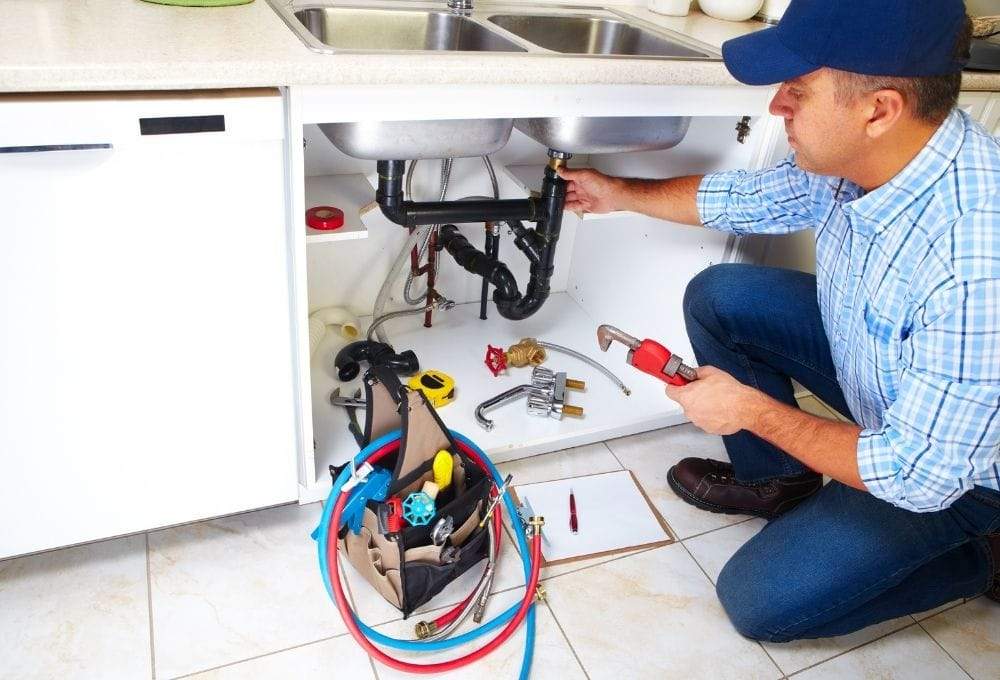

It’s midnight. You hear water running and is not the tap. This detailed list of steps will reduce the damage, safeguard your insurance case, and usher in a plumber as quickly as possible.
No one wants or expects to have a ruptured pipe. It occurs when you’re least expecting it, typically in the middle of the night, in semi-darkness and usually take a few seconds for your brain to realize it’s not rain on your roof! Whether it’s water spraying in a wall cavity, pooling in the kitchen, or dribbling down the ceiling from above, it’s a plumbing problem.
The first 10 minutes of your response can mean the difference between the amount of damage to your home and the strength of your Insurance Claim and the speed at which access to your water is restored with the help of a Plumber. Right here is the exact order – step-by-step!
From Minutes 0 – 2: Stop The Water
Immediately shut off the water supply before picking up the phone, getting towels, or moving furniture. Damage is occurring every minute that the water is running.
In a house: Main shut-off is commonly located near the water meter at the front corner of the house. It’s a tap or lever. Rotate clockwise until it stops. Some older Sydney houses have the meter at the rear, or in the side passage.
In an apartment: Check under the sink in the kitchen or in a laundry room or bin closet for an isolation valve. Older buildings may have shut-offs located in the hallway outside individual units or in a common basement. We can discuss this over the phone as we head to your building. If you can’t find it, call your building’s caretaker or the plumber.
If you can find the fixture that is leaking, for example, a broken flexi hose under the kitchen sink, there can be a local isolation valve there. Always turn off that first, and decide if you should be closing off the entire house.
From Minutes 2 – 4: Protect What You Can
Now that the water has been shut off, you’ve just gained time. Now concentrate on minimizing the damage and loss that have been already caused.
Electronic equipment and valuables should be kept off the floor. Laptops, phone chargers, shoes, bags — anything that’s in the water’s way. Having water on a timber floor is not a good thing. If water gets on the laptop, it will never be removed.
If the water is from above, relocate furniture away from the flood water. A saturated ceiling will keep water for some period of time, but once it breaks through it does so quite quickly. Never stand below a drooping or stained ceiling as wet plaster can be heavy and collapse.
Do what you can to contain it. Towels at doorways to prevent spread. Buckets with actives that are “dripping” into them. Standing water products: mops. You are not cleaning up, you are ‘containing’.
Minute 4 – 6: Document Everything
At midnight in a puddle, it may sound counterintuitive, but it will make a world of difference in an insurance claim.
Photograph in advance of cleaning. 5 wide shots of all damaged rooms with signs of water damage. Close ups of the failurepoint, the burst pipe, the split hose or the cracked joint. Photographs of any damage to floor, walls, cabinetry, etc. Add a time (your cell phone will put this in for you).
Initial-state evidence is used to assess insurance claims. The damage to your property looks less severe if you take pictures first, and then mop. Your insurer cares more about the pictures of you in your PJs late at night, illuminated with poor lighting, than the same images that you took the following morning when your floors were dry.
Minute 6 – 8: Call the Emergency Plumber
Now you call. You have mobilized to prevent water from running. You’ve done what you can to make sure you’re safe. You have painstakingly recorded damage. During your telephone call, you should tell us the following:
The situation: There is a pipe broken in my kitchen wall; a flexi hose under the bathroom sink has ruptured; The water coming through my ceiling from the unit above.
What you have done: “I switched the meter’s water off. The water has stopped.”
Who you are: Your name and your address, suburb, floor (if in an apartment), side of the building.
Access: “There’s parking out front” or “it’s a secure building I’ll buzz you in” or “the water meter is at the back of the property.
This helps us send the right plumber equipped with the right tools and an accurate image of what they will encounter when they reach their destination. Arrival time is saved, very important if there is no water and damaged floor.
Minute 8 – 10: Notify Others
In an apartment: Knock on your downstairs neighbour’s door. Where water’s running, it’s on track for their ceiling. It is their right to know and they must relocate their possessions before the drip.
Notify your insurer. Most well-sized insurance companies have a claims line that is open round the clock. The registration of the incident at midnight begins the time line, but must not be a full claim. Explain to them: water damage due to a ruptured or broken pipe, you’ve contacted a licensed plumber, and you’ve recorded the initial area of damage.
If renting: Inform the landlord or property manager. NSW tenancy law says that urgent repairs, such as burst pipes, is the landlord’s responsibility. Don’t wait, however, for their permission to do something! First stop the bleeding then figure out the money.
What NOT to Do
Don’t try to repair the pipe yourself. Tape, sealant and clamps are not effective when dealing with mains pressure. Don’t even try doing it yourself as this will only postpone the call-out from the professional and cause further exposure to water.
Do not reopen the water to see if it is still leaking. It is. Don’t turn off the water until the plumber has returned to repair the failure.
Don’t wait until the morning, Eight hours of moisture in your flooring, your wall cavities and your ceiling framing the difference between midnight and 8am. This moisture leads to warping, swelling and mold growth which results in a significantly higher repair bill. Call now.
A ceiling is not something to be overlooked. If water is seeping from above (from a leaky pipe in the roof space, an upstairs bathroom) the ceiling may be leaking. Any ceiling panel that has bulged out or has discolored is a risk of collapse. Don’t stand under it. Don’t poke it. Allow the plumber to determine it.
Is the Plumber working at Glenwill Road?
The Emergency Repair has already taken place. Water has once again been turned on. The bit that broke is now fixed. Now the healing process takes place.
Use a dehumidifier on the affected areas for a minimum of 48 hours to remove moisture from wall cavities and flooring. Be sure to open doors and windows to allow air to circulate. Weather conditions such as dryness greatly help with natural ventilation.
Look for any moisture that has been trapped during the first few days thereafter. Wall cavities and areas beneath flooring allow water to flow, and it is not easily seen. Water not dried may be detected by a damp odor, a stain on a wall or soft flooring.
Ensure that you save your plumber’s report. We make written and compliant records for each emergency job, including the cause of the failure, the repair location and any concerns. Your insurance company requires this. You might need to give it to your strata manager. Store in a place where it can be easily located.
The No. 1 priority last minute is to locate the main shut-off valve to your water supply and ensure it functions properly. Test it today. If it is stiff, corroded or won’t move, have a plumber change it. It will take you about 30 seconds to locate, and can save you $30,000 worth of water damage at midnight.
Looking for an Emergency Plumber in Sydney?
We’re on call 24/7. $0 call-out fee. Fixed prices prior to any work commencing.



