Gas Plumber Near Me: The Complete Guide to Gasfitting in Sydney
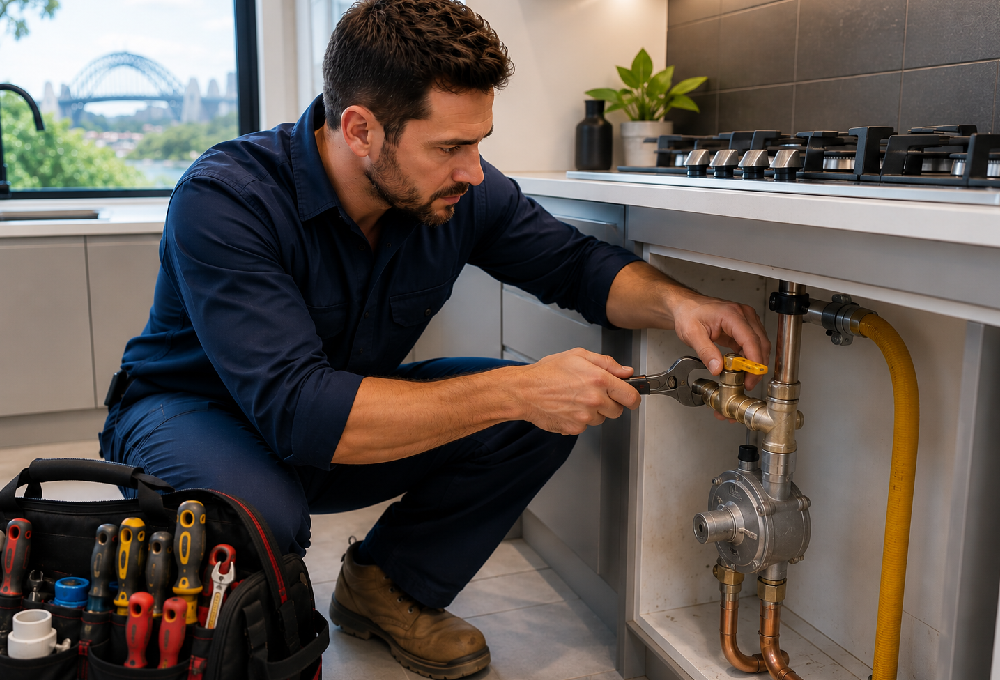

Table of Contents:
- Introduction
- Plumber, Gasfitter, Gas Plumber: What's The Difference?
- What A Gas Plumber Actually Does
- Why You Must Never Diy Gas Work
- The Compliance Certificate: Paperwork That Actually Matters
- How To Find And Verify A Gas Plumber Near You
- Common Gas Jobs Around A Sydney Home
- Gas Versus Electric: The Questions A Good Gasfitter Helps You Weigh
- Renting Or In Strata? Extra Gas Considerations
- The Bottom Line On Gas Plumbers
If you need gas fitting services in Sydney, here are some tips and tricks to keep in mind. Not all plumbers are gasfitters, it’s not a technical difference; it’s a safety and legal difference when it comes to gas. So what does a gas plumber do? Why is gas work a separately licensed trade? Plus, how to locate and confirm the right gas service provider for gas hot water systems, cooktops and more.
One of those phrases people type in when they need something done but don’t know exactly who to call is “Gas Plumber.” Is it a plumber? A gasfitter? Is it the same? Does it matter? It actually does have a major impact, as gas is one of the few areas in the house where hiring the wrong (or unqualified) person is not only a quality risk but a safety risk as well, with potential explosions and carbon monoxide poisoning being big consequences.
This guide covers the rest. We’ll explain what a gas plumber (correctly, a licensed gasfitter) actually does, why gas work is licensed separately to general plumbing, the regular tasks a gas plumber is required to undertake around a Sydney home and why compliance and safety is of paramount importance, and how to find and check out the right person. By the end you’ll know exactly who to call for all matters relating to gas, how to be sure they are qualified, and why you should never, ever skimp on gas.
Plumber, Gasfitter, Gas Plumber: What's The Difference?
First, let’s get the terminology straight. Plumbing, draining and gasfitting are related trades in NSW but have separate licensing. An individual may be licensed to do plumbing but not gasfitting and vice versa. A tradesperson licensed to work on gas is called a gas plumber, and he or she typically also has plumbing qualifications.
It’s important to note that gasfitting is an individual licensed endorsement. Gasfitting work is regulated by the Home Building Act 1989, and the licensing scheme operated by NSW Fair Trading, which require a gasfitter to have an appropriate gasfitting licence or endorsement. A general plumber isn’t a gas plumber, and isn’t allowed to do gas work. So if you need gas work carried out, you don’t need “a plumber”, you need a licensed plumber (or tradesperson) whose licence includes gasfitting work. While many plumbers are equipped with both, it is not safe to presume. The question isn’t “are you a plumber?”, it’s “are you a gasfitter?”
This separation is for a simple reason: gas is dangerous, water is not. If a water connection is made incorrectly, it leaks and causes water damage to a home; if a gas connection is made incorrectly, it leaks an explosive, poisonous gas into a home. The additional licensing is due to the additional risk involved and the specialist knowledge needed in working with gas. It’s not box-ticking bureaucracy, it’s the system that ensures gas work is done by trained individuals without the loss of life.
🔥 The question that really counts isn’t “are you a plumber?”, it’s “are you licensed for gasfitting?” They are both licensed separately in NSW, and there are plenty of competent plumbers that aren’t gasfitters. Confirm that work will be carried out by someone whose licence includes gas work, and you can do just that, free, on the NSW Fair Trading register, which will tell you what type of work is covered for that licence.
What A Gas Plumber Actually Does
A gasfitter can perform all types of gas work around a house, including plenty most people aren’t even aware of. Here’s the scope.
Installing and connecting gas appliances
The most commonly requested gas jobs. Any work that involves connecting a new gas cooktop or oven, setting up a gas hot water system, connecting a gas heater, installing a gas bayonet point for a portable heater, or any gas connection for an outdoor gas barbecue is gasfitting work. This includes running or connecting gas lines, checking the pressure, volume and flow, and testing for safety and leaks. This is not a job for just any handyman, and never for an unlicensed operator.
Installing and modifying gas lines
New gas piping is fundamental gasfitting: extending the gas supply to a new appliance location, adding a gas point to a renovated kitchen, changing the way the gas is laid out during a renovation. It needs to be correctly sized, made of suitable materials and strictly tested; a gas line is only safe when it’s sized, made and tested correctly.
Gas hot water systems
Gas hot water systems (storage or continuous-flow) are a cross between plumbing and gasfitting, they require both plumbing and gasfitting services to be executed properly. That makes gas hot water a classic gas-plumber job: hot water installation, hot water repairs or full replacement of a gas hot water system must be done by someone licensed in both areas.
Leak detection and safety checks
If you think you might have a gas leak, or if the gas fitting needs to be checked to see if it’s safe, a licensed gasfitter is the person you need. They are able to carry out tests to check for leaks, to ensure that appliances are working safely and that a gas installation is up to standard. If you can smell gas now, it’s an emergency situation, more on that later.
Compliance and certification
Compliance documents from a licensed gasfitter are essential for safety, insurance and for selling a home. We’ll return to the importance of this paperwork, which is more significant than commonly believed.
Why You Must Never Diy Gas Work
This is a topic in its own right: gas work is never, ever a DIY project. In NSW, unlicensed people are not permitted to do gas work because of the catastrophic failure modes.
Gas can leak from an improperly connected gas appliance or line. There are two ways that gas leaks are dangerous. The first: explosion, natural gas (NG) and LPG (liquefied petroleum gas) are highly flammable and a buildup in an enclosed area only requires a spark: pilot light, light switch, static, and much more to explode with catastrophic force. The second is carbon monoxide poisoning: a blocked or faulty gas appliance could emit carbon monoxide, an invisible, colourless and odourless poisonous gas which can make you feel ill or kill you without warning. People have died in their sleep from carbon monoxide from faulty gas heaters. These are not theoretical assumptions, they’re the very real risks that licensing for gasfitters is meant to help avoid.
That is why licensed gasfitters are required to perform gas work, and why any gas work done by an unlicensed operator at a cut price should be treated as a wager on your family’s lives. The price of a licensed gasfitter is not a huge amount when compared to the stakes. In plumbing, there’s no job where cutting corners is as dangerous, and none more important, than gas.
If you do smell gas, treat it as an emergency, the rotten-egg smell added to natural gas and LPG is deliberate, so it can be detected. Everyone out of the building, do not touch any electrical switches as a spark could set off gas, do not use phones in the building, shut off the gas at the meter if you are able to do so without danger, and call for assistance outside the building. This is not a “wait and see” situation, it is a “get out now” situation.
Need gas work done safely?
Cooktops, gas hot water, gas heaters, bayonet points and safety checks; performed correctly by licensed gasfitters in Sydney, tested and certified.
The Compliance Certificate: Paperwork That Actually Matters
Many homeowners don’t realise that when gas work is done, a licensed gasfitter must produce compliance documentation, a certificate stating that the work was performed safely and correctly by a licensed person. That paperwork matters in several ways, because in NSW gas work is subject to compliance and certification requirements meant to ensure it’s carried out safely.
First, safety and accountability: the certificate proves that the work was completed by a licensed professional to the standard expected, and that’s important when using something as dangerous as gas.
Second, insurance: in the event of a gas-related incident, evidence that the job was installed by a licensed gasfitter and is properly certified may be of great importance to an insurance claim. If an unlicensed worker does work without documentation of compliance, it can put you at significant risk, and may result in loss of coverage.
Thirdly, when you sell your house: unpermitted or uncertified gas work could be an issue at the sale stage when prospective purchasers and their gas inspectors or conveyancing solicitors enquire about the compliance of gas installations. When you get the right certification, you can keep your home’s paperwork clean, and you can prevent unpleasant surprises when you sell.
So if you undertake gas works, request the compliance paperwork and include it with your home’s records. A licensed gasfitter will do it routinely, and anyone who won’t, or can’t, is telling you something about how licensed they really are.
How To Find And Verify A Gas Plumber Near You
In fact, the steps in finding a good gas plumber are the same as for any good plumber: checking the licence, except that you have to check the gasfitting licence specifically.
Verify the gasfitting licence. This is the one thing you can’t miss doing. Ask: “Are you licensed for gasfitting?” and obtain licence information. Then check them on the NSW Fair Trading public register, where you can see what a person or business is licensed to do, including whether gasfitting is in their scope of work. It’s free and only takes a few minutes. A general plumbing licence does not include a gas licence, be sure gas is included.
Check insurance. With any plumbing job, you should check public liability insurance, and with gas, that’s even more important.
Favour true locals with proven experience. A gasfitter with a real local presence, substantial reviews and a proper business is better than a thin lead-gen listing. Local knowledge comes in handy, too, a gasfitter who lives in your area is familiar with the typical configuration of homes like yours. A good local operator usually offers a full plumbing service beyond gas, everyday residential plumbing from blocked drains and burst pipe repairs to a leaking tap or emergency plumbing, so a single job never means chasing a new number. Many carry licensed technicians and fully stocked vehicles, and handle drainage systems and drain plumbing, including CCTV drain inspections and other camera inspection work.
Get a clear quote. Just like any type of task, obtain a clear, written estimate prior to the work for non-emergency gas tasks, such as installing an appliance or running a line. Gas work should come with fixed pricing and no surprise callout fees.
Insist on certification. Make sure they agree to give you compliance information in advance. This is a safety must and a good indicator that they’re properly licensed.
✅ The gas-plumber checklist: make sure they are licensed to do gas work (and verify on the NSW Fair Trading register), verify insurance cover, obtain a written quotation for work that is not an emergency, and confirm that they will provide compliance certification. Each is quick, and together they mean your gas work is done legally, safely and with the evidence to prove it.
Common Gas Jobs Around A Sydney Home
The following are the everyday gas jobs that Sydney homes would contact a gas plumber for, work that is planned and not an emergency, work that keeps a gas home running.
New appliance connections. New gas cooktop, oven or gas heater? A gasfitter installs it safely to your gas supply and conducts a test. Don’t install any gas appliance yourself.
Installing or replacing gas hot water. This is licensed gas (and plumbing) work whether you’re installing for the first time, replacing an old hot water system, or converting from storage to continuous-flow.
Adding a gas point. Updating your kitchen with gas cooking? Adding a bayonet point for a gas heater in the living room? Planning to connect a gas line to an outdoor kitchen or barbecue? All gasfitting jobs.
Safety and servicing of gas appliances. Carbon monoxide safety is one important reason for periodically checking the safety of all ageing gas appliances, heaters in particular. A gasfitter can service and check them. This maintenance plumbing is essential and not optional: a gas heater is one of the most common CO hazards.
Converting or upgrading. Converting a natural gas appliance to LPG or upgrading an old appliance is specialist gasfitting and should be done by a licensed gasfitter.
Notice the trend: any work that involves the gas supply, an appliance connection or a gas line is gasfitting work and must be performed by a licensed gasfitter. If in any doubt as to whether a job is “gas work” or not, treat it as such and ensure it is performed by a gasfitter, it’s better to be safe than sorry.
Gas Versus Electric: The Questions A Good Gasfitter Helps You Weigh
Sydney gas homeowners no longer only maintain gas, they now have to decide whether or not to keep it, and it’s a very useful discussion to have with a knowledgeable gasfitter, as they know both sides. It helps to understand the context before having that conversation.
Gas is known for its quick response for cooking, high heating power and hot water supply without the need for continuous flow. However, the maths has been changing. Many homes now consider electric options, such as induction cooktops or heat pump hot water systems and even reverse-cycle heating, over gas alternatives, due to energy prices, efficiency and a general shift towards electrification. Government incentives may also kick in to support some electric upgrades: for example, a heat pump hot water system is a very efficient option that can be supported by state and federal incentives that are a meaningful offset to the cost of switching. A good gas-and-electric gasfitter will be able to explain the straight facts and figures to you, the running costs, the initial cost, rebates, how your home is wired and set up, and so on, not just what they’d prefer to install.
Another reason to hire a real, local plumber over a one-off service-call operator: they are more likely to give you honest and objective information about whether you should repair your gas appliance, invest in a gas-to-electric upgrade or get rid of it altogether, even if it means they’ll lose a bit of business that day. When you’re weighing a decision, whether that’s an ageing gas hot water system, an imminent kitchen reno or a heater needing repairs again, it’s worth consulting a gasfitter who can work both fuels to discuss the options with you, so you don’t assume the only options are gas-for-gas or electric-only. The correct solution really depends on your own home and your own priorities, and a good tradesperson will assist you in finding it.
⚡ If a gas appliance is starting to fail or if you are renovating a house, ask a plumber who works across both gas and electric how much installing a heat pump hot water heater would cost if it is eligible for the rebate, and how much a like-for-like gas hot water unit would cost. You’ll get a realistic picture of the running costs, upfront costs and any rebates (there may be a combined federal and state rebate of about $1,500 when installing a heat pump hot water heater, if it is eligible). Don’t take the easy way out, let the facts for your home decide, not a default.
Renting Or In Strata? Extra Gas Considerations
There are two things to be aware of when it comes to gas work in Sydney. When renting, the vast majority of safety issues regarding gas are your landlord’s responsibility, so any suspected gas leak, gas heater fault, or failure of the gas hot water system should be reported to your landlord or agent in writing, immediately. It’s a critical safety issue that can’t be delayed, any suspicion of gas leakage is serious. Tenants are not permitted to carry out any gas work, and have a right to have the property’s gas appliances and installations kept safe. As with any gas leak, whether you are a homeowner or a renter, if you smell gas, evacuate, be careful not to turn on lights or switches, and call for assistance from outside.
In strata, an apartment or unit, gas raises the familiar lot-versus-common-property question. Any gas appliances or pipework that only serve your apartment is likely to be your responsibility as the lot owner, and anything that is shared with other lot owners is likely to be common property and the concern of the owners corporation. Again, like all strata plumbing matters, the exact boundary is in the strata plan, and a thorough professional gasfitter will help clarify the situation. If you want to carry out any gas work in your apartment, it’s also important to consider whether you need building approval or a notification to your owners corporation, some gas modifications in shared buildings may have rules that go beyond those for a freestanding house. A great gasfitter with an understanding of strata will know to ask these questions, and that’s another reason to hire someone who truly understands the intricacies of apartment buildings in Sydney.
The Bottom Line On Gas Plumbers
The strongest single rule in home plumbing is about gas, and for good reason. A gas plumber’s licence is a specific endorsement on top of a general plumbing licence, because gasfitting can be fatal due to explosion or CO poisoning if carried out by an unlicensed tradesman or tradeswoman. The one thing that you can do is check the gasfitting licence, before anyone touches your gas. It should be checked free of charge on the NSW Fair Trading register, proof of insurance should be obtained, appropriate compliance certification must be obtained, and a gas line or appliance should never, ever be left to anyone unqualified, or to your own DIY.
Get it right, and there’s nothing to fear about gas, it’s a safe, efficient and common feature of many homes in Sydney, professionally installed and maintained. Get a licensed local gasfitter, verify them correctly, keep compliance records and have gas appliances serviced regularly. The secret is simply the right person, properly verified, doing gas work the way the law and basic safety require. When it comes to gas, there are no shortcuts, and with the right gasfitter, there won’t be any needed.
Licensed gasfitting, done by the book
Sydney gas plumbers qualified for gasfitting, safe installation, testing, complete compliance certification. Right the first time.



