Hiring a Plumber for Your Renovation: Rough-In, Fit-Off and Getting It Right the First Time
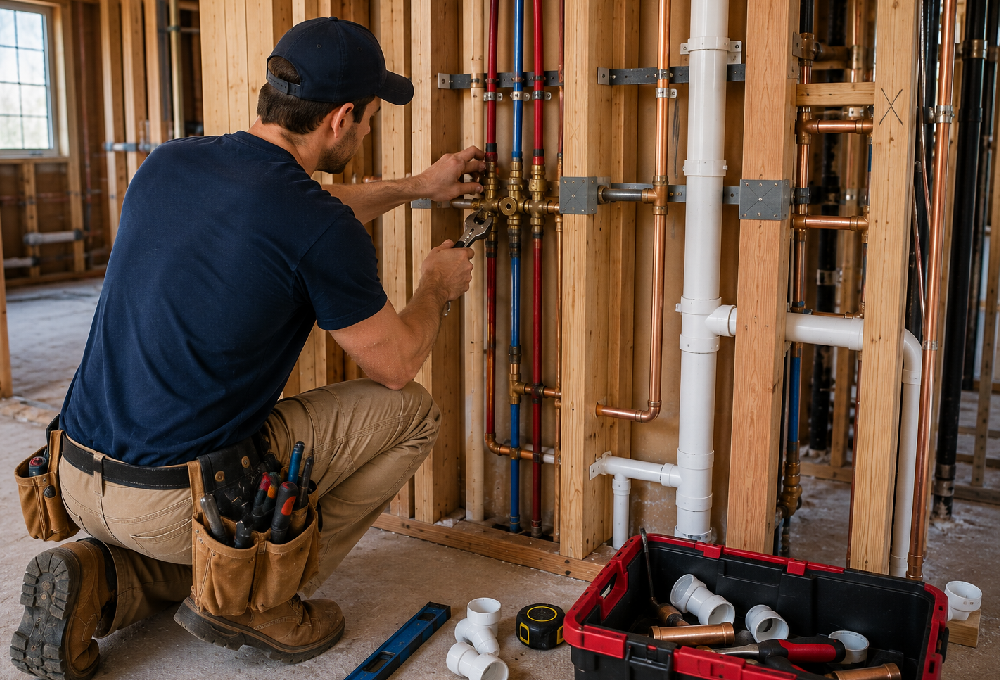

Table of Contents:
- Introduction
- Why Renovation Plumbing Is Its Own Thing
- Rough-In And Fit-Off: The Two Stages That Catch People Out
- How Plumbing Coordinates With The Rest Of The Renovation
- What Can Go Wrong, And How To Avoid It
- How To Choose A Plumber For Renovation Work
- Sydney-Specific Renovation Plumbing Considerations
- A Realistic Timeline: Where Plumbing Fits
- Getting Your Renovation Plumbing Right
when you’re doing a renovation, so it’s especially critical to get it right the first time, since tearing the bathroom apart later on is a hassle. Let’s look at what’s involved in renovation plumbing, and how to select the right plumber for the job.
When renovating a bathroom, kitchen, or laundry, there’s a lot to think about, and nowhere more than the plumbing, which is often the area that goes wrong, costs too much, or causes issues later in the project if not done properly. This is because renovation plumbing is distinct from the standard plumbing that occurs in a home in an important way: much of it is concealed behind tiles and cabinetry, and inside walls and under the floor, finished over, so to speak, rather than left exposed. Do it correctly and it will be invisible and hassle-free for years. When you get it wrong, it can mean tearing down that beautiful new room that you just paid for. The stakes are high on renovation plumbing, especially since it is quite difficult and expensive to redo.
This guide explains the plumbing process, how it works, the two most confusing parts (rough-in and fit-off), how plumbing works with other trades, what can go wrong, and how to select and manage a plumber for renovation projects. Whether you’re working on a complete bathroom, a new kitchen, or a larger project, it is important to be familiar with this so that you can hire the right plumber, ask the right questions, and then avoid expensive mistakes that make your dream bathroom a nightmare and your kitchen a mess. Renovation plumbing is no checkbox job or act of faith, a little knowledge goes a long way toward success.
Why Renovation Plumbing Is Its Own Thing
Ordinary plumbing work, a repair, replacement, a service, is largely self-contained, a plumber arrives, makes the repair, service or replacement, and leaves. There are several ways renovation plumbing differs from ordinary work, and they mean it’s approached differently.
It’s not a one-shot job, but a staged one. Renovation plumbing is not done all at once but rather in stages throughout the project, and is usually not the last trade done, coming in between other trades, we’ll explore that next with rough-in and fit-off. It’s built into the structure, concealed in walls and floors, and finished over, so that correctness before the covering-up is of paramount importance. It is in sync with other professions like the builders, tilers, electricians and cabinetmakers whose trades rely on the plumbing being correct and on time. It can involve design choices, as to where fixtures go, how the space will work and so on, that the plumbing is responsible for, and not just making connections. It carries the waterproofing, drainage and standards-compliance requirements that do, and should, apply to the job, both to function and for the paperwork.
All of the above means the plumber with “renovation experience” needs to stage the work, coordinate with all the other trades, think about the end product, and get the concealed work correct the first time. This isn’t a skill set that everyday emergency plumbing demands, and hiring a plumber who has it is one of the key steps to running a renovation smoothly.
🔨 The stakes of a renovation: the plumbing done for renovations is sealed off behind walls and under tiles, where you cannot go back and redo it. It is essential to get it right before it’s covered up, otherwise you’ll have to destroy the room you’ve already completed. That’s why renovation plumbing carries such high stakes, and demands experience and care, compared to regular plumbing.
Rough-In And Fit-Off: The Two Stages That Catch People Out
The key thing to understand about renovation plumbing is the two distinct phases it involves, plus another set of tasks in between. Grasping this makes the whole process make sense.
Stage one: rough-in
Rough-in is the initial plumbing work, which is typically performed in the early stages of a renovation, prior to the closing of the walls and completion of the floors. This is where the plumber installs all the pipework which will be concealed in the structure, the water supply pipe to where the tap and fixtures will be located, the drainage and waste pipe, and the connections roughed in for later connection with the fixtures. At rough-in there are no taps or toilets yet; you see pipes emerging from walls and floors at the exact points the fixtures will later sit.
The most important part is rough-in, since that is what ends up being built into the structure and then covered up. Everything about the bathroom’s plumbing, the placement of taps, how the shower drains, where the toilet connects, is decided here and then enclosed within the bathroom’s walls and floor. Once the rough-in is correct, it runs smoothly; once the rough-in is incorrect, a pipe in the wrong place, a fall on a drain that isn’t right, everything else is difficult to fix later after the surface has been finished. This is why it is important to take care over the rough-in, and why the plumber’s work needs to be positioned exactly as designed before anything is closed up.
The middle: other trades do their work
Other trades come in after the rough-in, the waterproofing is installed (essential for wet areas, and standards apply), walls are closed, floors and walls are tiled, and the cabinetry is installed. The plumbing is concealed and waiting inside the building and the room develops around it. That’s why coordination is important: the rough-in must be correct and complete before this covering-up can happen, and timed so it doesn’t hold up the trades that follow.
Stage two: fit-off
Fit-off (fix-off) is the second phase of plumbing, which occurs when the tiling, cabinetry and finishes are completed. This is when the taps are fitted and the pipework connected that you roughed in earlier, the toilet, the basin, the shower fittings, the sink. Fit-off is the process of making the roughed-in pipes a working, finished bathroom or kitchen. It’s the rewarding part where everything comes together, unless the rough-in wasn’t done right, because the fixtures rely on what was installed earlier. Fit-off is easy if the rough-in is good, and difficult if it isn’t.
So renovation plumbing is the pipework in the walls or floors that’s done first, before the wall or floor finish, and positioned just right so the other trades can finish and the fixtures fit; then the fit-off is done later to install and connect the visible plumbing fixtures. The key is to get the rough-in just right, before it is sealed in.
Planning a renovation?
Sydney renovation plumbers that get the rough-in right, coordinate with your trades and complete a flawless fit-off, so your new bathroom or kitchen will be trouble-free for decades.
How Plumbing Coordinates With The Rest Of The Renovation
Plumbing isn’t a standalone trade in a renovation, it’s one of a series of trades, and if plumbing operates in harmony, the renovation will run smoothly; if it doesn’t, it’ll be a series of delays and clashes.
The plumbing has to be done in the proper order with the rest: demolition, rough-in, waterproofing, tiling, fit-off, with electrical and other work in between. Get the sequence wrong, tiling before rough-in, or waterproofing before the plumbing’s done, and some of the work has to be redone. The plumber’s stages must fit into the proper time in this sequence; they need to be available at the right times for the project.
Depending on the type of renovation, this coordination will be handled differently. The builder or project manager is usually responsible for coordinating the trades and the plumber works to their schedule here; the important thing is that the plumber communicates, shows up when needed, and does their stages correctly and on time. If you are doing the works yourself, that includes scheduling the plumber to do the rough-in and fit-off at the right time, and ensuring the other trades’ work dovetails with the plumber’s. This is more challenging, and a good reason to hire a builder or a contractor plumber with experience in coordinating renovations.
In either case, it’s all about communication. In renovation plumbing, it goes well if the plumber, builder and other trades understand each other, and are able to communicate clearly about the timing, positioning, and dependencies of the work. A plumber experienced in renovations is good at this coordination: they understand they’re part of a bigger job, communicate proactively, and know that if their work is done right, it won’t throw out anyone else’s. That’s why renovation experience is valuable; it’s not only about plumbing, it’s about working within a multi-trade renovation.
What Can Go Wrong, And How To Avoid It
Renovation plumbing problems are so costly because they’re built in and interlinked with other trades. If you familiarise yourself with the pitfalls you are less likely to fall into them.
Positioning problems found too late. A fixture roughed in the wrong position, a tap, a waste or a toilet connection that only comes to light at fit-off, or worse, when it’s tiled. Avoid it by keeping the design clear and having the plumber verify positions against it before anything is closed up.
Failure of waterproofing and drainage. Wet areas must be waterproofed and drained to standard, or you’ll get leaks and water damage in your brand new room, a serious and costly failure. That’s why compliance and quality at the concealed stages matters so much, and why you want to hire an experienced professional who understands them.
Coordination breakdowns. Late or off-sequence plumbing holds up other trades and the entire project. This is avoided by good coordination and a reliable plumber.
Compliance gaps. There can be problems with renovation plumbing, from functional issues now to paperwork issues later, when it’s time to sell. Using licensed plumbers who work to standard and keep proper documentation protects you.
Under-specifying. Not planning what you really need, fixture positions, water pressure for that shower, whether the hot water system will cope with the new load, results in a room that isn’t fit for the purpose you dreamed of. A trustworthy renovation plumber will help you plan for these ahead of time, not after.
🔧 The high-cost errors all happen at the concealed stages: positioning, waterproofing and drainage faults all get covered up, and are far more expensive to rectify later. That’s why the best place to get your renovation plumbing right is early, at the design, rough-in and waterproofing stages.
How To Choose A Plumber For Renovation Work
Renovation plumbing suits a particular kind of plumber, so make sure you pick one who fits those specific requirements.
Check for renovation experience. A plumber with the skills and knowledge to perform a renovation knows staging, coordination and the correct completion of the behind-the-scenes work, a different set of skills from repairs. Ask about their renovation experience and how they approach it. If they can talk fluently about rough-in, fit-off, coordinating with trades and getting positioning right, they know renovations.
Confirm the non-negotiables. Licensed (listed on the NSW Fair Trading register), insured and, if gas plumbing is involved, expressly licensed for gas fitting, using licensed gas fitters and proper gas fitting services for any gas hot water systems or gas leaks. If the renovations are significant, also ask about compliance and documentation.
Value communication and coordination. Good communication, whole-project planning and collaboration with other trades are central to renovation plumbing, and a plumber who does this well is valuable. Look at how well they communicate and handle customer service in the first conversation, this will predict how well they coordinate on site.
Insist on clear quoting for staged work. The cost of renovation plumbing needs to be transparent throughout the process. Make sure you understand what the quote covers, rough-in, fit-off, whether fixtures are supplied, so none of it is a surprise. A good renovation plumber quotes clearly, recognising that a renovation is a process.
Prefer a plumber who will help you plan. The best renovation plumbers add value before the work starts, thinking about fixture positioning, pressure, capacity and practicality, because this is where issues can be fixed, before fit-off, the stage where they get expensive. A plumber who engages with your plans and flags concerns early is worth their weight in gold.
Consider the relationship. A renovation is a superb reason to hire a great neighbourhood plumber you can keep for the years of everyday plumbing to come, from blocked drains, drain repairs and a leaking tap to a burst pipe, toilet installation and hot water repairs. The same team can cover backflow prevention and leak detection across residential and commercial plumbing, with emergency plumbers on call for any emergency service. A plumber who did your renovation already knows your new plumbing system, useful for any later issues, and the renovation may be the beginning of a long-standing partnership with someone who knows your home inside and out.
Sydney-Specific Renovation Plumbing Considerations
There are some plumbing considerations that are unique to renovating in Sydney, that a local plumber who has done many renovations will know, and that are worth being aware of when you’re planning, as they can inform your project and what’s possible.
Older houses and existing plumbing. Many Sydney homes are already decades old, and renovating them can mean connecting new work to ageing existing plumbing, old pipework, old hot water units, original galvanised pipes and the like. A good renovation plumber evaluates all the plumbing and advises whether the existing pipework will suffice or if any of it should be replaced as part of the renovation. When a wall is opened up as part of a renovation, it’s often much more affordable to replace an old pipe run then than at a later date, so a renovation is the perfect time to upgrade pipe runs. The alternative is a gorgeous new bathroom sitting on a worn-out plumbing system that gives up within months, so it’s a discussion to start early.
Heritage and character homes. Sydney is home to many period and character houses, and their renovation may include working sympathetically with the existing fabric, some of which may sit within a heritage context. An experienced plumber understands the subtleties of installing modern plumbing in an older home.
Apartments and strata. Apartments add another layer: plumbing in a strata building can involve the owners corporation, by-laws, approvals and coordination around shared plumbing facilities, as well as the boundary between your lot and the common property. Sometimes waterproofing (which protects the units below) or common-property plumbing needs to be considered in bathroom and kitchen renovations within an apartment, and the owners corporation may need to be consulted. A plumber experienced in Sydney strata is familiar with these requirements and may also be able to guide you through them, without the serious issues that can arise from unapproved renovating or a substandard job on your apartment’s plumbing, such as water damage to adjoining apartments.
Water capacity and water pressure. Sydney houses have different water pressures and supplies, and a renovation is the time to ensure plans are achievable, that the pressure can supply the shower you want, that the hot water system will cope with the added load, and that it all works together. A competent renovation plumber identifies these capacity questions at the planning phase.
🏚️ Renovating is the time to upgrade old plumbing: if any walls or floors are being removed, a renovation is likely the lowest-cost time to upgrade old plumbing lines, as well as the drainage system and hot water supply, before it becomes too late and too costly. A good local renovation plumber can assess what’s currently in place and guide you on what’s worth upgrading while the window of opportunity is open.
A Realistic Timeline: Where Plumbing Fits
To give you an idea of how things flow, here’s roughly where plumbing falls during a bathroom remodel, though the timeline varies by project, so you know what to expect and when to call your plumber.
Typically it starts with planning and design, where you’ll be selecting fixture locations and the layout, and this is the point to include your plumber so they can flag anything the current design won’t allow. Next comes demolition, the stripping away of the old room. Then the plumber’s rough-in work is done, installing the new concealed pipework (with electrical rough-in alongside if needed), set out to the agreed design, before anything is closed in. Then waterproofing goes into wet areas (it has to be right, or water can reach the spaces below), followed by tiling, cabinetry and finishes. Finally, the plumber comes back for fit-off, installing and connecting the visible fixtures (the taps, the toilet, the basin, the shower) to the pipework roughed in earlier, and checking that all the fixtures work. A final inspection and any snagging add the finishing touch.
So the plumber will usually have two main visits, rough-in near the beginning and fit-off near the end, with work done by other trades in the middle, and hopefully an early planning meeting. By knowing this rhythm, you’ll see why timing and coordination matter so much, why the rough-in should be done just before the covering-up, and why a plumber who can show up at the right times and do the work correctly keeps the project on track. It will also let you have an informed discussion with your plumber and builder about the schedule, and so be an informed client, not a mystified one, which goes a long way toward making a home renovation go smoothly.
Getting Your Renovation Plumbing Right
Renovation plumbing isn’t a job you can simply redo, which is why it’s worth understanding and getting right. Get familiar with the two stages: rough-in, installing the pipework that will be hidden, in advance of closing walls; and fit-off, where the visible fixtures are attached after the room is completed. Recognise that it’s staged, timed with other trades, built into the design, and unforgiving of errors found at the end. And choose accordingly: a licensed and insured plumber who is experienced in renovating, communicates and coordinates well, has clear staged quoting, and will help you with planning.
Do it right, and your renovation plumbing is the unseen, low-maintenance base of a lovely new room that performs just as you envisioned, for years, without a hitch. Do it wrong, and it’s what takes a bathroom you finished last year back to tearing off the tiles. That’s mostly down to the plumber you pick and your understanding of it, and you have that now. Renovation plumbing is a big investment, and it’s worth doing right the first time, because the first time is often the only time it will be affordable. Choose carefully, and look after the plumber you find.
Renovation plumbing, built to last
Sydney renovation plumbers are qualified, licensed plumbers that know exactly what they’re doing; rough-in and fit-off done correctly, coordinated with your trades, finished to last. Get your project off to a great start.



