The Annual Plumbing Health-Check: What a Good Local Plumber Does Before Things Break
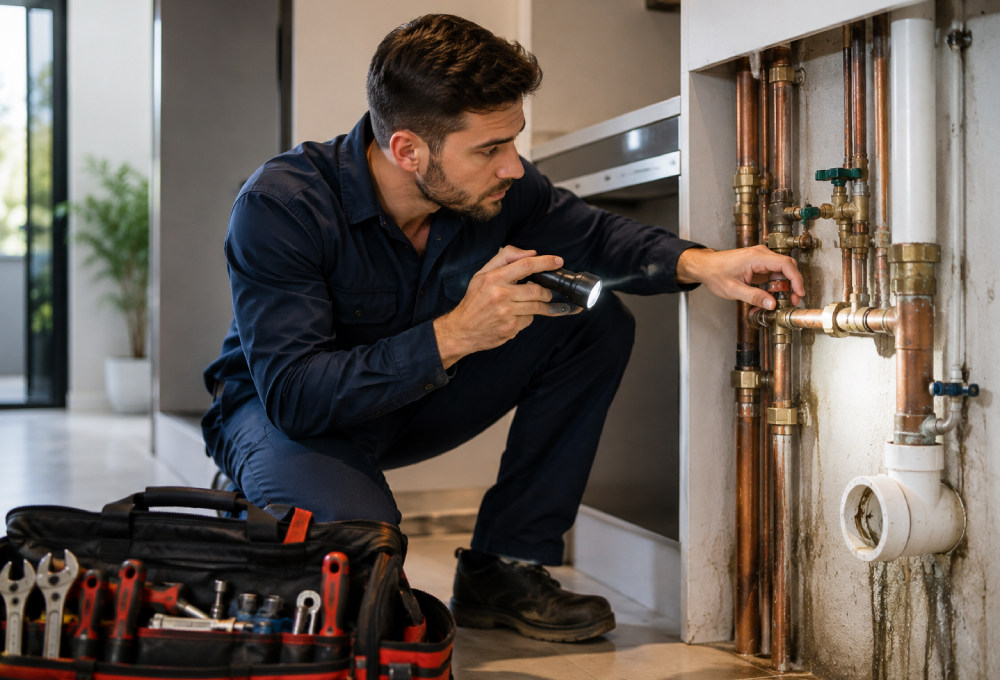

Table of Contents:
- Introduction
- Why Prevention Beats Emergency Plumbing, Every Time
- What a Plumbing Health-Check Actually Covers
- Who Benefits Most From a Health-Check
- The Relationship Angle: Why Your Regular Plumber Does This Best
- The Seasonal Dimension: Sydney Plumbing Through the Year
- What a Health-Check Is, and Isn't
- Making Preventive Plumbing a Habit
For most people, their plumber is a service they use only when they have an emergency. But the smartest homes have a plumber come to them once a year, before a problem arises, when it’s small and inexpensive. Let’s take a look at what a plumbing health-check entails and why it’s one of the most cost-effective plumbing services you can get for your house.
Let’s face it, plumbing emergencies can be costly, and almost every one of them began, and could have been solved, as a minor, inexpensive problem that no one noticed. The burst flexi hose had been a corroding hose for several months before it flooded the house. The hot water failure on the coldest morning was a system silently ageing past its use-by date. The sewage backup was a drain that had been partially blocked for a season. Now, in retrospect, the warning signs were there, small, easily identified, inexpensive to address, if someone had just seen them.
A plumbing health-check is simply a good local plumber taking a look on a regular basis, so that problems get solved while they’re still small and cheap, rather than becoming expensive and disruptive emergencies. Like a regular physical exam at the doctor’s office or a routine service on your car, it’s an expense-saving measure that prevents bigger problems. But while you would never skip getting your car serviced, nearly no one thinks about servicing the plumbing in their home, until a preventable disaster occurs and teaches them why it matters. This guide covers what a plumbing health-check actually entails, why it’s great value, and how to build it into your home maintenance.
Why Prevention Beats Emergency Plumbing, Every Time
The argument in favour of preventive plumbing is based on a simple yet compelling imbalance: it is far less costly, less disruptive and less damaging to anticipate a problem than to watch it fail. To know this asymmetry is to know why the health-check matters.
A small problem caught early, a hose starting to corrode, a leaking tap, a drain that slows down, a hot water system reaching the end of its life, is cheap and easy to fix. Replace a hose, repair the tap, unclog the drain, plan a hot water replacement on a timetable. There’s no damage, no crisis and a small cost. The same problem left until it breaks is a completely different story: you’ll be responsible for the water damage and the clean-up on top of the plumbing failure, a cold shower from a hot water system failure becomes an emergency call-out to emergency plumbers, and the blocked drain creates a mess and a health hazard. That failure costs many times what the prevention would have, in money, disruption and stress, and often a bill from emergency plumbing services.
There is a timing dividend as well. If problems are detected, they’re addressed on your schedule, a weekday visit at regular rates, a hot water replacement appointment when it suits you. Things go wrong when they go wrong: on the coldest morning, on a weekend when you’re having visitors, the night before your trip. With prevention your time is in your hands; with failure it is in someone else’s hands, subject to a plumber’s response times and after-hours rates, at a cost to you.
📈 A corroding flexi hose caught in a health-check costs a few dollars to replace. A hose that’s left to burst can let a thousand litres or more of water flow out, flooding your house and turning a minor task into a big water damage claim. Many of the most common household water-damage claims are exactly the type a check-up can detect, such as failed water connections and burst pipes.
What a Plumbing Health-Check Actually Covers
So, what kinds of things does a good local plumber do on a health-check visit? It’s a thorough inspection of the home’s plumbing, to find the early symptoms of the issues that usually escalate into emergencies. Here’s the typical scope.
Flexible hoses and connections
The soft flexible hoses behind appliances, and under sinks and basins, are a major culprit in sudden indoor flooding, as they age and corrode and eventually fail, releasing water at full mains pressure. A health-check inspects these for corrosion, bulging and wear, and identifies those that need changing. This is near the top of the list, because it’s one of the most common and damaging household plumbing emergencies.
The hot water system
Hot water units have a lifespan, and they show their age as they get older, and they often go when you least expect it, so it’s easy to see why they’re a hot spot for preventive care. A check involves inspecting the condition and age of the system, corrosion or leaks, the condition of the relief valve, and (for storage systems) the condition of the sacrificial anode in the tank that protects the tank from corrosion. If you know your hot water system is reaching the end of its life, you can plan hot water repairs or a replacement when you want to, not when you’re standing in a cold shower.
Taps, toilets and visible fixtures
When taps, toilets and fixtures are leaking, they waste water and money, and a small leak tends to get worse over time. A check catches these minor problems cheaply, and a running toilet or a hidden leak you don’t know about can cost you a fair amount over the course of a year, so a simple toilet repair now saves you later.
Drains
Slow drains and signs of blockages are detected before they become full backups. This is particularly useful for homes that have had drain issues in the past, such as tree roots or ageing pipes, and a plumber can inspect the drainage system with CCTV drain cameras; where older pipes are cracked or root-invaded, the lasting fix is often pipe relining. It can even be done as a preventative drain maintenance service in anticipation of the upcoming blockage season.
Water pressure and leaks
A plumber can test water pressure for issues, and carry out leak detection in walls or below concrete, which cause slow damage, cost you money, and don’t always show up on the water meter.
Shut-off valves and isolation points
A good check makes sure you know where the main shut-off valve is located and that it actually works, which can save the day in the event of future water damage by letting you cut the water supply quickly, and it locates individual fixtures’ shut-off valves too. One of the best things a homeowner can have is knowing how to shut the water off, and a health-check is the best time to learn it.
Catch problems before they become disasters
Just like checking your car before it breaks down on the motorway, think of a plumbing check-up as a service for your home’s plumbing. It’s a small investment of time and money: a licensed plumber looking for the small problems that can be fixed before they get bigger and cause much more damage. And because the same licensed local plumber can also handle gas fitting, check for gas leaks, and look after your gas plumbing and general plumbing, one trusted relationship covers the lot.
Get a fixed-price plumbing health-check from a licensed local Sydney plumber, a comprehensive once-over that prevents costly plumbing emergencies before they happen.
Who Benefits Most From a Health-Check
Every house needs preventive plumbing, but some situations warrant it more than others, and if you’re one of these, a “good idea” becomes a “really should.”
Older homes. Sydney’s housing stock is old: old pipes, original drains, ageing hot water systems. Older plumbing has a lot more that can go wrong, and the things that help it most are preventative measures that are much simpler to take if problems are found before they become serious.
Homes with a history of problems. Where there have been recurring problems, blocked drains, leaks, hot water, preventive checks can help break the pattern of crisis after crisis.
Before travelling or leaving home vacant. A water leak while you’re away is a nightmare, water running for days without your knowledge, causing irreparable damage. Knowing what to do is inexpensive insurance against coming home to a disaster: a check before a prolonged absence, and learning how to isolate the water while you’re away.
When you buy your home. A plumbing inspection on the home you’re buying, or have just bought, tells you the condition of the plumbing and any hidden problems, so you aren’t caught off guard by inherited ones. Better to find out about the plumbing early than to find out when it fails.
Rental properties. Regular plumbing maintenance is good business for landlords: it reduces the risk of emergency callouts and tenant conflicts, helps fulfil the duty to maintain the property in good repair, and is an investment in the asset. Preventive maintenance is just common-sense property maintenance.
Older trees on or near the home. The classic Sydney tree-root blockage benefits from preventative drain maintenance carried out before the usual root-blockage season, stopping the cycle before it begins.
The Relationship Angle: Why Your Regular Plumber Does This Best
This is where the health-check ties into having a plumber, rather than just finding one. The best preventive check is done by a plumber who already knows the home, and that’s a real reason to hire a local plumber rather than a different stranger every time.
A plumber who returns to your home over time starts to build a portrait of it: the condition of the hot water system, how it’s ageing, which drains have been a problem, what to watch for next time, and your home’s plumbing habits. That continuity adds value to every check, because they’re not doing a one-off job; they’re monitoring your plumbing system over time, spotting what’s changed, and recognising the gradual issues a one-off check won’t. It’s like the difference between a doctor who has seen you for years and knows your history, and a stranger who sees you cold, or a plumber picked purely on a Google rating.
This is the deeper meaning of the “family plumber” relationship: not just someone to call in an emergency, but someone who helps you prevent that emergency by knowing your home and caring for it proactively. And the households that have this, a trusted local plumber who comes to do their check every so often, knows their house, and gets ahead of problems before they happen, simply have far less plumbing drama than everyone else. They get better customer service, faster response times, and fair, fixed price quotes. They don’t have more luck; they just have a plumber who knows them, and they’re handling their plumbing proactively rather than reactively. And it starts with a single health-check that begins the relationship.
🤝 Continuity compounds: a health-check from a plumber who knows your home beats one from a plumber who never sets foot there; who’s watching your plumbing over time; who’s noticing what has changed; who remembers what they flagged; who sees slow deterioration that a one-off visitor would miss. The check-up and the relationship depend on and enhance each other: they make each other more useful.
The Seasonal Dimension: Sydney Plumbing Through the Year
There’s a seasonal cycle to preventive plumbing; if a plumbing issue is one you can only spot during certain seasons, then you’ll miss it if you don’t look at the right time.
Hot water systems work hardest in winter, and that’s when they’re most vulnerable, on the coldest morning of all. A check before winter, to assess the condition and age of the hot water system, lets you plan a replacement before the cold showers arrive in July. Winter is when the system is stress-tested by heavier hot water use, so it’s a good time to get ahead of it.
Heavy rain and storms in Sydney put drains and stormwater under strain, and blockages that stay hidden through dry periods suddenly show up. A drain that copes when flows are light won’t cope when heavy rain arrives, so if you don’t check and clean drains before the rains, they back up. If the home has a tree-root drain problem, it’s better to do preventive drain maintenance before the season when the roots and rain merge.
The hotter seasons have their rhythms too: increased water use, more lush gardens and trees (especially roots growing into drains), and long stretches when people are away and homes sit unoccupied. A pre-summer inspection, plus knowing how to isolate the water while you’re away, prevents the holiday-flood scenario.
None of this means you should have four checks a year, four is excessive for most homes. It just means doing the check at the right time. Knowing the pressures in a given season makes it easier to time the check well (for many, the best time is heading into winter, when hot water and drains need the most attention) and keeps you alert to what needs attention at that time of year. It helps to hire a local plumber who’s familiar with Sydney’s seasonal trends, because they can help you decide when and where to focus.
🌞 Timing the check: heading into winter is a good time, it’s before the system is at its busiest, and it lets you clear drains before wet weather overwhelms them. A single annual inspection, timed to Sydney’s seasonal challenges, covers most of the preventative maintenance a home needs.
What a Health-Check Is, and Isn't
As always, a word of caution: a health-check is only useful when it’s understood for what it is. A plumbing health-check is a preventative inspection, a systematic look for early warning signs and small problems before they get bigger. It’s genuinely valuable, and it catches a lot! What it is not is a guarantee you’ll never have trouble: plumbing can still throw up issues no one foresaw, and some issues just aren’t visible. The point of a health-check is not to make failures impossible, it’s to make preventable failures much less likely, by catching the many that give warning signs.
It’s also important to understand that a good health-check is an honest one. A reputable plumber will tell you the truth when there’s a problem, show you what genuinely needs addressing, tell you what’s fine, and be willing to say nothing needs doing. A check-up should never be an excuse to create unneeded jobs; that hard-sell tactic is something a good plumber never does. The value lies in the honesty of the plumber doing it, which is one more reason to let a professional you know and trust do the check, instead of a stranger who has an incentive to find costly problems. A health-check done honestly, by someone who knows your home, is one of the best value-for-money things you can do for your plumbing. Done by someone you don’t trust, as a sales pitch rather than something you can rely on, it’s not worth much, because in all things plumbing, who does the work matters more than what the work is.
Making Preventive Plumbing a Habit
So how do you actually build this into looking after your home? It’s easier than it sounds, and a couple of simple habits make it stick.
Set a rhythm. For most properties, an annual inspection is a good rule of thumb: simple to remember, and often enough to catch problems while they’re small. Tie it to something memorable, like the start of a season. Very old homes and homes with known problems may need more regular maintenance; a good plumber can tell you the best pace for your home.
Combine it with other work. If you’ve got small general plumbing tasks to do anyway, bundle them with the check, so you get the useful once-over while the plumber is already there for other jobs.
Act on what’s found. The real benefit comes when you fix what the check finds, after all, it’s meant to help you deal with small issues before they become big ones. If the plumber raises an issue, address it now, rather than putting it aside until later, when it’s more costly.
Do your own basic checks in between. Take a casual look between professional checks: occasionally check the flexi hoses under sinks, watch for drains that take longer to empty than usual or a tap that dribbles, keep an eye out for unexplained jumps in your water bill that may point to a hidden leak, and know where your main shut-off is. These simple habits sit alongside the professional check and catch things between visits.
Keep records. Note what was found and what was done, the age and condition of important components such as the hot water system, and what to watch for. This builds a helpful history, particularly useful at the time of sale and for your plumber on future visits.
The plumbing health-check isn’t complicated, and it’s a good choice for your home. It’s cheap, it’s not glamorous, and it heads off those costly, stressful plumbing nightmares. Get a good local plumber to inspect your plumbing regularly, fix the little things before they become big ones, and build a relationship where someone who knows your house is fixing things quietly before they become problems. Then plumbing stops handing you nasty surprises, because they get caught on your timeline, while they’re still small. That’s not luck. It’s just smart home care.
Start looking after your plumbing properly
Schedule a health-check with a licensed local Sydney plumber, and start a relationship that can help prevent plumbing problems in your home for years.



