The Sydney Burst Pipe Map: Where and When Pipes Fail Across the City
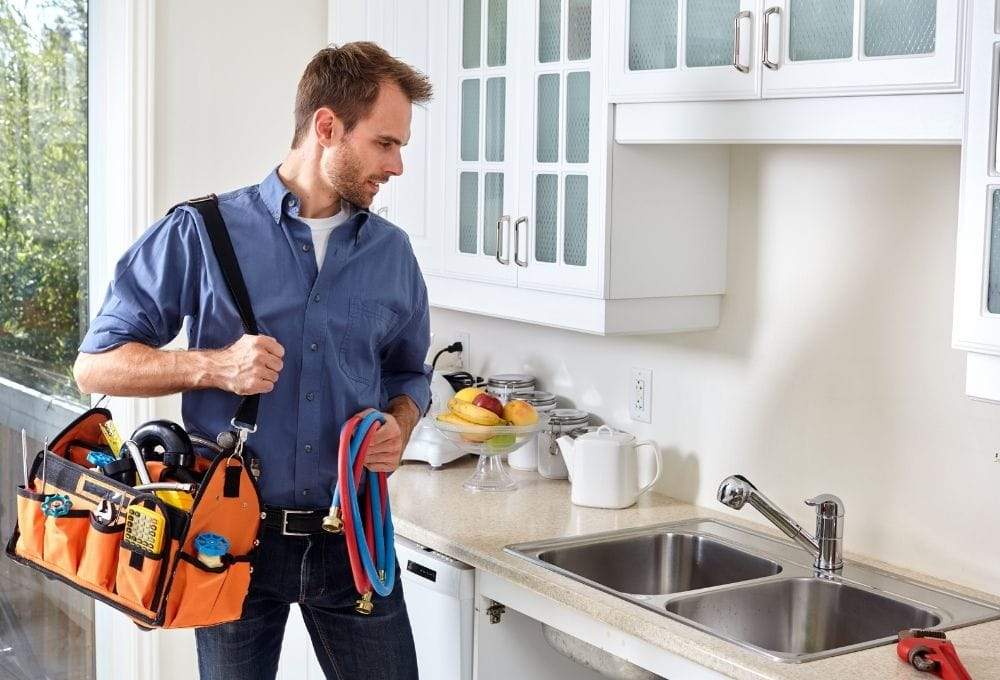

A burst pipe can occur at any time, but the location in Sydney may influence its cause. Pipes in coastal homes have different issues from those in Western Sydney and its older inner suburbs.
This guide will examine the regions of Sydney where burst pipes are most likely to occur, discuss the causes of burst pipes, and offer you some helpful tips to help prevent your plumbing from breaking.
Burst pipes happen for different reasons across Sydney.
Many people believe that burst pipes are merely caused by ageing plumbing. Ageing pipes are very common, but they’re just one piece of the puzzle.
Sydney boasts a variety of landscapes, home types and climates. All of these have an impact on the ageing and failure of water pipes. A house near the sea is exposed to different risks than a house built on reactive clay or surrounded by large trees.
The Age of Your Plumbing Matters
Galvanised steel pipes were used many decades ago but they weaken over time.
These pipes eventually become corroded from rust inside. This decreases the water flow and causes the metal to slowly weaken until a crack or leak occurs.
The water pipes in newer homes are typically copper or newer plastic. These materials generally have a longer lifespan, however, they can fail if the installation is not done correctly, if they are installed in high water pressure areas, or if they are affected by earth movement.
Ground movement can also place pressure on underground pipes.
Pipe damage does not always occur inside the home.
Much of western Sydney is underlain by reactive clay. The soil of this type swells up after heavy rainfall, and contracts during extended dry periods. Buried pipes carry a risk when there is ground movement. Loosened pipe joints and cracked underground pipes can lead to leaks in your water supply system. This can wash the soil away and make the problem worse if it isn’t addressed in time..
Several common problems can cause pipes to fail, such as:
- High water pressure
- Water hammer
- Tree root growth
- Corrosion
- Poor-quality repairs
Damage during landscaping or construction work.
Many of these issues can be spotted before they become expensive pipe repairs with regular maintenance.
Sydney’s Five Burst Pipe Risk Zones
Sydney is a sprawling city with diverse terrain. Suburbs can range from ones right on the coast, some sitting on clay soils and some with many mature street trees. All of these can have a bearing on how long your system lasts. An awareness of common risks to the pipes in your suburb can help you plan for repairs and reduce the risk of them bursting.
Coastal and Harbour Suburbs
One of the upsides to buying in the popular beach suburbs of Sydney like Bondi, Coogee, Manly, Mosman and Vaucluse, is that you’ll generally have some pretty epic water views. One of the downsides is that the sea salt that comes with those water views can wreck havoc on your pipes through its corrosiveness.
Exposed metal pipes, taps, valves and fittings corrode faster in the presence of salt. Even stainless steel flexi hoses can wear out faster in coastal areas.
In addition, outdoor hot water systems are exposed to salt which can also reduce the system’s lifespan if it is not properly serviced regularly.
Older Inner-City Suburbs
Lots of homes in the Newtown, Balmain, Glebe & Marrickville suburbs are decades old. They may have lots of character but they also contain old plumbing concealed in or under the floorboards.
Rusting occurs in the older galvanised steel pipes, over time. Water flow decreases and pressure rises in the pipe as rust accumulates. Over time, these little cracks or pinhole leaks may develop.
Western Sydney
There are numerous newer houses in Western Sydney, but that doesn’t mean they’re not plagued with plumbing issues.
Much of the area is underlain by reactive clay. This soil swells during wet conditions and contracts during dry conditions. This pressure from the movement of the ground is applied to underground water pipes.
A minor leak from a water line buried in the ground can help loosen the soil around the area. The leak may get bigger as the ground moves and can cause a pipe to burst.
Sydney’s Coldest Areas
Winter mornings are generally colder than most of Sydney in the suburbs of Penrith, Richmond and Camden. At times close to zero, outdoor plumbing is most vulnerable to cold temperatures. When the water inside the pipe freezes, it expands, pushing from pipe to pipe along the line, which can result in bursting or leaking of the pipe when it defrosts.
Common problem areas are outdoor taps and pipes leading to hot water systems.
Leafy Garden Suburbs
The North Shore and other established suburbs with big old trees have huge old gardens. Big old trees create lots of shade, but their roots can damage underground pipes.
Tree roots tend to gravitate towards water. As a water pipe begins to crack, roots can grow around the crack and exert even greater pressure on the pipe.
This will eventually cause clogged pipes, compromised joints or a burst pipe.
Sydney’s weather impacts plumbing all year round. Soil movement can occur in dry summers, autumn rains put pressure on pipework, frozen pipes or stressed pipes are a risk in winter and spring is a good time to check all pipework before the storms arrive.
Warning Signs Your Pipes May Be About to Burst
Burst pipes usually show warning signs before they fail. With some knowledge of what to look for you can save a lot of money on repair expenses.
Your water bill is higher than usual
Thousands of litres of water can go down the drain due to a hidden water leak. If you have the same water usage but your bill has risen, you might have a leak on your property.
Water pressure drops
The cause of low pressure can be caused by blockage or even a leaking or burst pipe.
In the case of a single tap, the issue can be local in nature. Low pressure throughout the entire house may indicate a problem with your plumbing system.
Discoloured water
Brown or rusty-colored water is often a sign of corrosion in pipes within older plumbing systems.
Walls or ceilings that are damp.
If your wall has spots where there’s water stain, peeling paint or mildew, it’s a clear sign of leaking somewhere in your wall.
Wet patches in the lawn
If you have a water pipe that has sprung a leak and is running underground then you will likely notice some grass that is far greener than usual or some muddy spots or puddles where there shouldn’t be any.
Noises from pipes – banging sounds.
If you hear a banging noise when you turn the taps off, you likely have water hammer in your pipes.
How to deal with a burst pipe
If you already have an efficient plumber whom you can rely on to carry out prompt and efficient plumbing repairs, they will have no difficulty identifying the burst and repairing it with minimal disruption and damage to your home.
Switch the water supply off using the main shut-off valve.
Turn the electricity off (only where appropriate – such as when water comes near an electrical appliance or outlet).
Move all electronics, furniture, and valuables from the room and surrounding areas.
If filing a leak claim with your insurance company, take pictures.
For an emergency, call a plumber today! Do not open taps and do not flush until the burst pipe has been repaired. This will help reduce costs and damage.
How to prevent burst pipes
There may be things you cannot prevent, but there are steps that you can take to minimise the chances of having a burst pipe.
Keep Water Pressure at a Safe Level
Extra pressure on all parts of your plumbing infrastructure.
If not treated, it may loosen joints, damage appliances or increase the risk of pipe bursting in the future. A plumber can test the pressure of your water and recommend installing or providing a pressure-regulating valve for you.
Replace Worn Flexi Hoses.
They connect toilets, appliances and faucets to water lines. Even a little hose can be the cause of a flood in your house. Replace these appliances with ones that don’t rust or get damaged. Small leaks—Fix those little leaks before they start growing into something larger.
A leaky faucet or small leak may not sound like that much of a problem, but every leak can cause additional strain on your plumbing.
If you don’t identify and repair any leaks early, they can cause a big issue in your pipes and increase your water bill.
Arrange regular leak detection.
The majority of the leaks occur under the road or under the walls—places that are generally out of sight.
Professional leak detection utilises cutting-edge equipment and methods to identify leaks without breaking up your property or digging up a lot of your yard.
When these issues are identified early it is possible to fix them without issues.
Look After Your Hot Water System
If your hot water system is in constant use, particularly in winter, have it serviced regularly so issues that can lead to a burst pipe like corrosion, pressure issues or worn components can be avoided.
Think Before You Landscape
Trees can be helpful, but the roots can destroy your water pipes if it gets to big. Before planting new trees and/or before any big drain work projects, check where you have pipes! It is simple and can save a good sum of money in the long run.
Frequently Asked Questions
- Does Sydney Water fix all burst pipes?
The burst main should typically be fixed by Sydney Water if it is on the public water supply. If the pipe has burst on your property, you’ll usually have to pay for the repairs with a licensed plumber.
- Will a burst pipe increase my water bill?
Yes. Small leaks that you didn’t notice are going to lead to a lot of wasted water over time
If your water bill comes back much higher than usual above normal, arrange for a plumbing inspection.
- Will old homes have more burst pipes than new homes?
In many cases, yes. Older homes may have older pipes which are more prone to corrosion or cracking. But newer houses can also be at this risk due to poor installation, high water pressure or ground movement that causes their pipes to burst.
- Will home insurance cover burst pipes?
If a pipe bursts results in damage, what water damage insurance can cover will vary with the insurance that you carry. Pay attention to your policy carefully and log plumbing repairs and maintenance. This is good for you, if you do ever need to submit a leak claim.
- When will my plumbing be inspected?
Most houses can receive professional check ups from a professional plumber every year or two, but older homes, as well as those who have a history of leaks can benefit from this to be done on a more frequent basis.
Conclusion
Having pipes that burst is a typical issue in Sydney, but not due to the same cause in all Sydney neighbourhoods. A weathered pipework issue can be a problem in old homes, coastal homes may be corroding, Western Sydney homes may have ground movement, cooler climate homes may be damaged in winter and leafy suburbs can have tree roots chewing through homes.
As a homeowner, landlord, or property manager, it is vital to know what you risk with your plumbing!If you see ANY of these symptoms of a water leak, or a drop in your water pressure, or a damaged water pipe – act early to save time, money and frustration
From locating a water leak, mending pipes, to helping during a plumbing emergency, the team at Premium Sydney Plumbers will have the plumbing system restored as quickly and safely as possible.



