Here's Why Chemical Drain Cleaners Aren't Curing Clogged Drains But Are Making Them Worse!
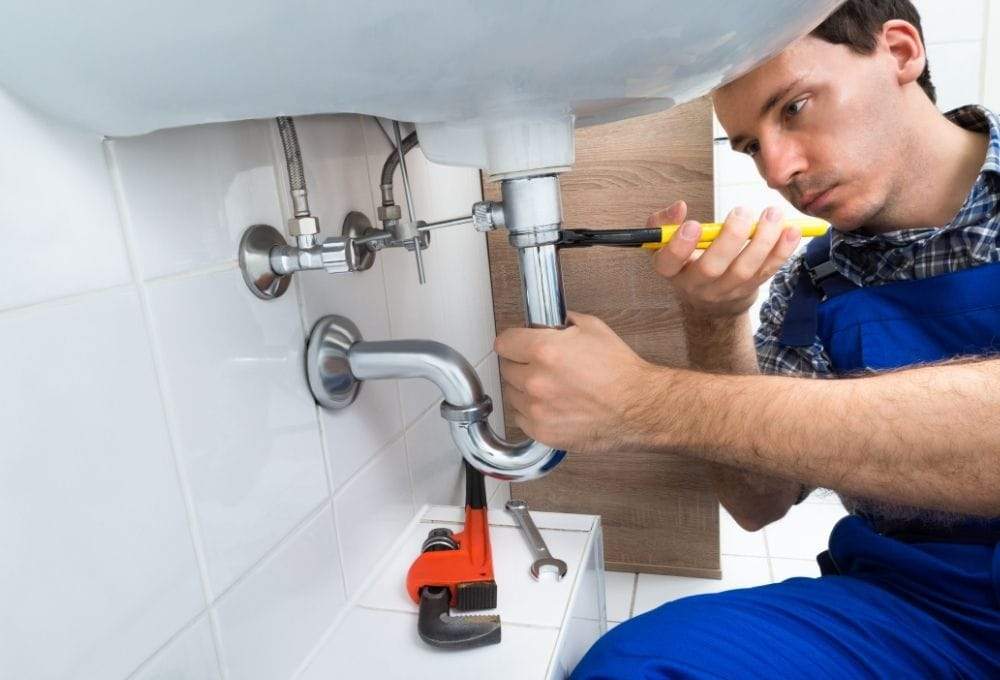

You have a slow draining problem. A bottle of drain cleaner is purchased at the supermarket. You pour it in. The drain appears to be running smooth for about a week. Then it once more blocks again, but it gets worse each time. Here’s why.
One of those products that will solve the present problem is one that creates a larger problem is chemical drain cleaners. They function (sort of) by creating heat and melting the organics within the pipe. The most common ones are caustic soda (sodium hydroxide) and sulphuric acid. They pass through grease, hair and soap scum, breaking them down to allow temporary flow.
Here’s what happens the product label does not state, however.
They Corrode the Pipes They're Meant to Clear
The chemicals used to remove grease have the same effect on pipelines. The joints of the terracotta pipe are soaped by caustic chemicals, and the spots where tree roots enter the pipe and blockages occur. They reduce the rubber seals of PVC connections. They speed up the breakdown of the cast iron and galvanised steel pipes. Chemical tanker cleaners serve as an acceleration of the type of pipe damage that occurs due to tree roots, joints, and deterioration of old pipes; especially in and around Sydney in a house with ageing terracotta sewer pipes, which is a large number of houses in Sydney’s Eastern Suburbs, inner west and North Shore.
You pour the chemical in to eliminate a $300 blockage. The chemical weakens the pipe joints. Roots enter through the weakened joints six months later. The next incident of blockage will incur a $600 clearing charge and $4,000 for relining the damaged section. You just paid $4,600.00 for the $12 bottle of drain cleaner.
They Make the Situation Even Worse for Plumbers
If a clog does not get completely cleared by the chemical drain cleaner, the stinking liquid is left in the drain line, backing up behind the blockage; which is all too common, since it can only remove the most basic surface blockage. If a plumber opens the pipe and mechanically or uses a pipe jetting cleanser the caustic liquid can come into contact with exposed skin because they splash, spray or run. We’ve been to homeowners who have dumped two or three bottles of drain cleaner in their drains several days in a row before they call a plumber for help. The pipe now has a lot of concentrated caustic solution in it but further essentially no movement has been accomplished since the blockage remains in place.
It is a true occupational hazard and one of the questions a plumber will pose before breaking open a drain is whether you’ve used chemical cleaners. How they respond depends on the answer, which determines job approach and protective equipment they will wear.
They Don't Fix Structural Problems
Chemical cleaners break down organic waste such as grease, hair, soap and food waste. Do not take out tree roots. Cracked pipes in the system are not fixed. They do not clean up a section that is moved as soil ends up inside the section. They don’t break down wet wipes (made from synthetic fibres, which will not break down chemically). In most cases of sewer blockages in Sydney’s mature suburbs, the real culprit is the root infiltration of broken terracotta pipe and chemical cleaners will not solve the problem.
What to Use Instead
If the kitchen sink is slow: Pour the boiling water down slowly. This will soften the grease on the wall of the pipe, without damaging the pipe. Rinse with cold water after 30 seconds. Repeat if needed. It won’t mix like a fizzy chemical but it is safe and it can be similarly effective in clearing minor grease blockages.
If the bathroom drain is slow to drain: Remove drain cover and hand remove hair and soap buildup (gloves recommended). To keep the buildup out of the drain again, install a drain strainer, which is a $5 mesh wire frame stuck over the drain opening.
For a properly blocked drain: Call a plumber. The job is now done by a professional clearing with an electric eel or jet and without hurting the pipe. In the event of a structural problem – with roots, displacement or collapse – the camera will be able to capture the problem, and the plumber will be able to suggest the necessary permanent solution.
But we encourage our clients to stop use of one plumbing product: chemical drain-cleaners. They don’t address the issue. They choke and cause damage to pipes. They can create a hazard for those who will open the drain and enter after. Not only do they come with a higher rate of cost but they also promote the very deterioration that causes the blockages in the first place. Bin them. Instead purchase a drain strainer and a kettle.
Blocked Drain in Sydney?
Call-out fee is $0 and same day service. CCTV inspection included.



