Flexi Hoses: The $27,500 Emergency Hiding Under Every Sink in Sydney
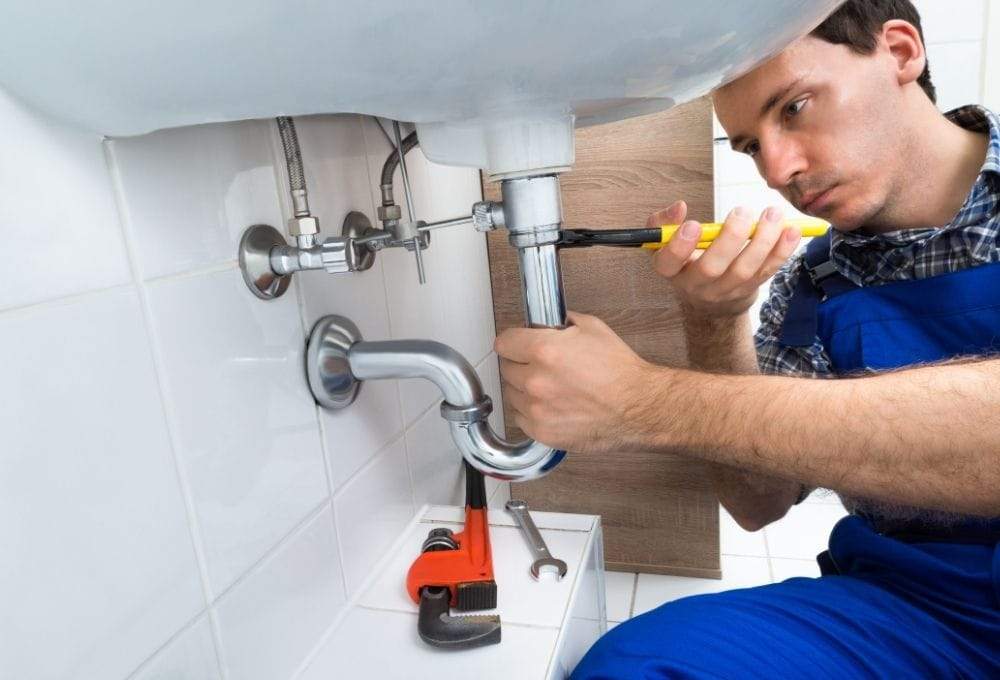

There’s a small braided hose under your kitchen sink right now. Another one behind the toilet. Or two more behind the washing machine. . . . These can let out 1,500 litres of water an hour when they break. People don’t even know that they exist.
Ask a hundred people in the inner suburbs who they see as the biggest source of internal water damage claims in Sydney and perhaps only 5 would be correct. It is NOT Burst Copper Pipes. It’s not overflowing toilets! It’s not storm flooding. Braided stainless steel flexi-hose that run from taps and toilets and from appliances to the water supply. You would probably have not looked at those short flex hoses since they were installed in the kitchen.
They’re everywhere. Everywhere, every sink under, every toilet cistern, every dishwasher, every washing machine. Because they bend, can be routed around, and can be installed quickly, being flexible, easy to route, and quick to connect is convenient to plumbers. These live for about 5-10 years though, and when they break down, they break down badly. The braided steel casing corrodes from the outside; the rubber inner tube becomes soft due to the water pressure and age; and, one day, everything buckles up. No slow leak. No drip. An all-out gush that blasts water at mains pressure onto your floor.
| 📊 | The results showed that 10% of all home water damage claims made in 2024 involved damage to flexi hoses and that the average cost of water damage replacement claims in 2024 were more than $27,500, according to Suncorp Insurance data. According to QBE Insurance, flexi hoses are the number one cause of internal water damage around Australia. And 77% of water damage homeowner claims occur when the homeowner is actually at home and the hose bursts. |
Why Flexi Hoses Fail
The failure mechanism is quite simple. The outer sleeve of braided stainless steel is for structural reinforcement, to keep the rubber tube from getting out of shape when under pressure. However, stainless steel is not resistant to rust and corrosion and can rust in areas of humid air such as in a bathroom vanity or underneath a kitchen sink. The braids fray. Individual wires snap. This rubber tube no longer has the build-up of pressure from the structures supporting it and expands outward, eventually rupturing.
There are a number of factors that speed up the failure. Humidity in the bathroom is a big one, for under-sink spaces are warm and humid, that can accelerate the corrosion of the steel braid. Solutions: Avoid over tightening during installation which can damage the braid at installation point. Lower quality hoses with thinner steel or lower quality rubber wear out earlier. Having cleaning supplies that contain steel chippers, steel wool, ammonia, bleach, and other chemicals under the sink can cause the steel to rust more rapidly.
Either way, the end result is the same, a sudden and complete rupture that transforms a small hose into a fire hydrant that points at your floor.
What 1,500 Litres Per Hour Actually Looks Like
When people hear that number, it doesn’t mean anything to them. So let’s make it practical. The standard capacity of a bathtub is 300 litres. Five bathtubs will be filled in an hour with a burst flexi hose. If you are working a full 8 hours then it is 12000 litres which is about the same amount of water in a small pool pumped onto your kitchen floor through the kitchen sub floor and then up into the ceiling below you (if you are in an apartment) and on all the surfaces in its path.
In hours a timber flooring warps. Plasterboard is water absorbent and crumbly. Installing electrical wiring in the wall cavity can prove disturbing in terms of electric shock. The water starts pouring down the slab penetrations into the apartment below at the same time you realize there is an issue.
How to Check Your Flexi Hoses Right Now
This should only take 2 minutes, and no tools are needed.
Open the cabinet under the kitchen sink. Examine hose connections between the tap tails and isolation valves. Generally, one will be between 30 to 50 centimetres long and will feature braided silver steel outer and have brass nut connections on each end. Be alert for these signs of trouble:
Any discolouration, rusty spots on the braid. Stainless steel is a silver coloration which should be even. Presence of brown or orange spots indicates corrosion has begun. Wires that are frayed or have broken. One broken wire in the braid, will render the structural support questionable. Bulging or deformation. The hose should be uniformly round. The rubber that’s inside is growing too large for the weakened braid if there are any bulges. Wetness at junctions. If there is a “small leak” at the connection point of the valve or the tap that the hose connects to, it indicates that the seal is broken.
Now inspect behind the toilet, underneath the bathroom vanity and behind the washing machine. Same inspection, same signs.
If you are unsure about either the age or date of installation of your flexi hoses, and that is usually the case, then assume they need to be replaced if your kitchen or bathroom is older than seven years.
What to Do If a Flexi Hose Bursts
Turn off the water – step one. The most expedient option is the isolation valve located directly beneath the burst hose, if it can be accessed using the spray. If it is not connected to, head to the major shut-off at the water meter. Not spend time taping or clamping the hose. Or under mains pressure, nothing that you improvise will hold.
Step 2 – contact a plumber. This is a true emergency. Hose must be replaced and water available on the day of the incident.
Step three: Take pictures of the damaged area. Record the extent of the water damage, the broken hose and damage to any walls, flooring and cabinetry with photos prior to cleaning up the mess. This evidence is required by your insurer.
Step 4: If you live in an apartment, be sure to alert your neighbor below. You broke the flexi hose, and now water is dripping from it onto your floor towards their ceiling. They are notified by a knock and then have enough time to move valuables before the drip arrives.
The Cheapest Emergency Prevention in Plumbing
This will cost a few hundred dollars (in Sydney homes) for replacing the entire set of flexi hoses and takes about an hour for a plumber. In contrast, a $27,500 insurance claim or even a loss not covered because your contents policy excluded water damage may actually be worse. Flexi hose replacement is the most simple and cost-effective pre-pot solution in domestic plumbing!
If you are on a strata committee, amplify at the next AGM/Meet a meter reading committee to replace flexi hose throughout the building. Now required by some buildings, but it is a small per unit emergency cost that will help prevent the most expensive kind of individual emergency. Burst flexi hose can cause damage to three units of an apartment building and result in three different insurance claims. It’s best to replace all of them in one go.
We prefer that all flexi hoses should be replaced every five to seven years, no matter their appearance. Make sure you get them checked during all plumber visits. If you are older than 7 years, and you don’t know the last change, book an inspection right now, if you are living in your home or apartment. This is one plumbing job where it truly is twenty times better to prevent it, as opposed to treating it.
Looking for a Sydney Emergency Plumber?
We’re on call 24/7. $0 call-out fee. Payment for work up-front at fixed prices.



