Strange Noises From Your Hot Water System: What They Mean And When To Pay Attention
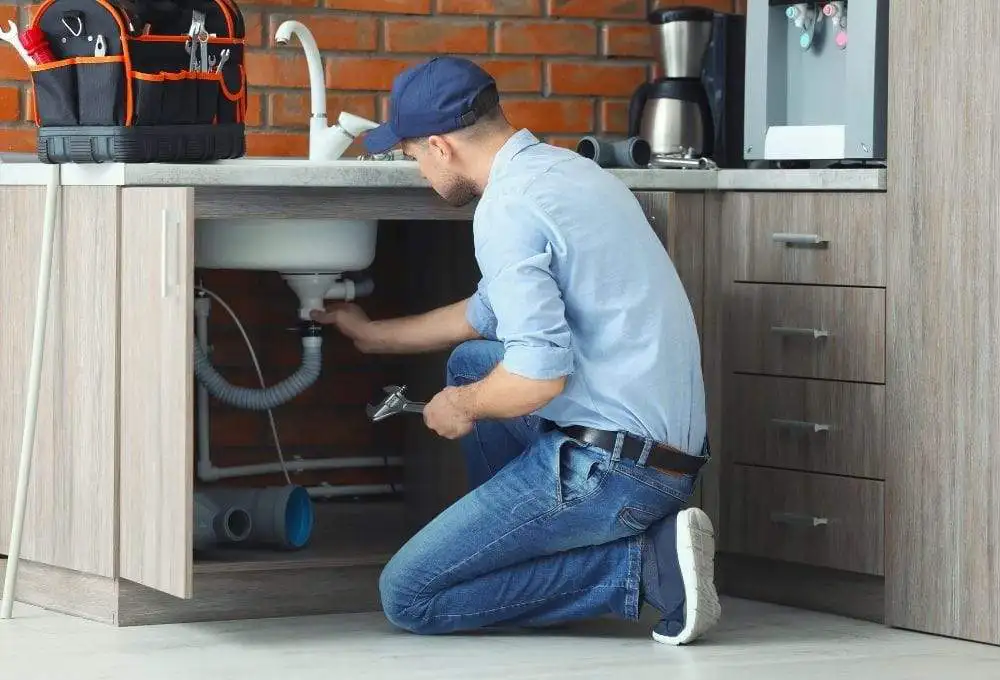

Water heating happens at different temperatures. As this happens, noise is unavoidable. Pressure changes and temperature can make your water system make different noises.
Hot water systems often make a lot of strange noises. A sudden bang. Low rumbles. Sharp and long hisses. Different sounds at different times. The noises differ based on many factors. These noises can make a well-functioning system feel unreliable.
Sometimes, it could be the normal noise of a well-functioning water heater. Other times, it could be due to a mechanical fault. While these sounds can be unsettling. They are not always causes for alarm.
Noise is one of the foremost signs of a system approaching inefficiency. It communicates that an internal stress is increasing. That is why knowing these sounds and their meaning is crucial.
This article explains everything you need to know. From why hot water systems make noise. To common sounds. And when that noise suggests a serious underlying issue. The goal is to help you understand what your hot water appliance is communicating. Keep reading!
Why Hot Water Systems Make Unusual Noise
Unusual noises are normal during operation. This is due to the many mechanisms in place. Hot water machines operate under physical stress. Hence, understanding the nature of these noises is crucial. Below are some of the reasons for these noises.
Heating and Expansion
When heating water, there is physical expansion. Heat causes expansion. As the temperature rises, the materials surrounding it also react. Metal pipes, storage tanks, valves, and internal fittings all expand. They expand slightly when heated and contract as they cool.
This repeated movement is a common source of noise in a hot water system. These noises occur when the system begins to heat. Or shortly after hot water has been drawn.
As the temperature stabilises, the sounds fade. This pattern is common in systems with metal components and rigid pipe framework.
Appliances like storage tanks are mostly affected. As the temperature of the internal water changes, the tank walls respond to thermal stress. These sounds are more noticeable in older plumbing systems. Due to the degradation of the internal fittings and poor insulation.
Pressure Changes In A System
Most modern plumbing systems operate on mains pressure. This delivers water at a high force. That is why water pressure plays a central role in how hot water systems behave.
Homes using gravity feed systems often experience slower pressure changes. Softening the noise patterns compared to mains pressure installations.
Noise occurs here when pressure changes rapidly. For instance, when multiple taps are opened at once. When appliances suddenly draw hot water. And when multiple taps are suddenly closed.
When this happens and water moves through valves and pipework. You may hear some light whistling or humming sounds. Some systems might produce a light banging sound.
Pressure-related noises are not constant. They may appear during morning routines. Or during evening peak use. Pressure fluctuations may be noticed in some systems. For instance, in continuous flow systems. This is because heating begins when water is drawn. Rather than from stored reserves.
Over time, pressure stress begins to take its toll on the internal component. Loud or frequent noise is a sign that the system is malfunctioning. Valves and seals can experience gradual wear. While this may not result in immediate danger, it signals reduced efficiency.
Understanding pressure noise is important. It often reflects how the system interacts with the wider plumbing network. Not just the heater itself.
Regular Water Flow
All forms of water heating rely on controlled water movement. The entering, heating, and exiting of water in a system aren’t random. They happen through internal pathways designed to maximise heat transfer. This movement can create sound. Especially when flow rates are high. Or temperature differences are significant.
In electric water systems, heating elements warm water gradually. Allowing natural circulation within the storage tank. As hot water rises and cold water cools, gentle movement occurs. This internal circulation can produce faint, low-level sounds.
Gas and water heaters are different. Gas burners heat water fast, creating a rapid temperature change. This can increase internal movement and produce rumbling or whooshing noises. Especially during ignition or high-demand periods.
This mechanism is different from that of heat pump water heaters. The method of heat is different. Heat is transferred from the surrounding air into the water using heat pumps. Fans and compressors add mechanical noise atop the water movement.
These sounds are part of the regular operation. There might be changes in tone or volume. This may indicate increased overload or ageing components.
Solar hot water systems operate differently from electric hot water systems. Circulation occurs between solar panels and storage tanks. Where heat pumps water through evacuated tubes or flat plate designs.
Water moves through these collectors before returning to storage tanks. Just like during heat transfer. This added movement can cause a subtle humming or vibration sound.
Some systems integrate controls powered by solar photovoltaic technology or solar PV-generated electricity. This integration adds low-level operational sound. These systems rely on a renewable source. However, circulation and electrical components still introduce audible movement during regular operation.
What Those Sounds Indicate
In many cases, sounds from a hot water system can be an early signal. Over time, they reveal how the system is faring as it ages. Knowing what these sounds indicate is important. That way, homeowners like you will understand risk without panic.
Minor Operational Changes
Not all noises are due to the failure of a system. Some sounds reflect normal operational changes that occur as the system ages. Over time, materials behave differently under heat and varying temperatures.
Metals expand due to heat. They contract when the heat cools off. Insulation may compress or shift. Pipes settle into their surrounding structure. These gradual changes can make existing sounds more noticeable.
A system that once operated quietly may begin to sound. There might be ticks, taps, or hums without any clear fault. This does not mean the hot water system is unsafe or unreliable. Instead, it reflects natural wear and adaptation.
Changes in household water can also influence sound. A growing household may place different demands on the system. Likewise, new appliances or altered routines. These changes can expose sounds that were previously hidden by lower usage.
Consistency is an indicator of minor operational change. Sounds tend to follow a predictable pattern. That is why they do not escalate quickly. Sounds may appear during heating cycles or peak use. Then subsidise afterwards.
Many newer systems include energy-saving technology. This alters heating cycles and may introduce unfamiliar sounds without indicating a fault.
Changes Within The System
Efficiency shifts are often accompanied by noise. When an internal condition shifts, heat transfer may reduce. This causes the system to work harder to achieve the same output.
There may be a loud and prolonged popping sound. This indicates that heat is no longer moving smoothly through the system. As efficiency drops, overall water efficiency declines. The system still produces your hot water needs. However, more energy and time are now required.
Reduced contact between heating components can cause this. Other causes include sediment build-up and surface wear.
Efficiency-related noise is important. Often, it appears before any noticeable performance drop. Hot water supply may seem normal. Yet, the system is low-key, using more energy. This results in higher energy bills.
The sounds in this condition are not immediate warnings. They only indicate a change in internal conditions. A gradual decline in efficiency is a sign of breakdown.
Pressure And Flow Balance Signals
Some sounds indicate how well pressure and water flow are balanced within the system. Hot water systems rely on stable pressure to function effectively.
Systems designed for demand reduction respond quickly to changing flow. This makes pressure-related noise more noticeable during peak use.
Common sounds here are whistling and humming. A brief knocking might occur when pressure changes rapidly or unevenly. These sounds often match sudden water demand.
Pressure-related sounds are not dangerous. They only reveal how the system is responding to changes in pressure and flow balance. The noise here acts as a feedback. Rather than a warning.
Early Warning Signs
Sometimes, the sound might indicate escalating stress. This does not mean failure is imminent. Instead, it suggests that components are under greater load than normal.
As systems age, they may struggle to maintain stability under normal conditions. Heating starts to take longer. Pressure regulation becomes less smooth. All these increase mechanical and thermal stress. Leading to an unusual sound.
The major difference here is progression. Continuous use of the system. Sounds may grow louder, become more elongated, and occur frequently. Performance may still appear optimal. However, the system is working harder to achieve the same result.
These early warnings are important. Addressing them supports long-term savings by reducing avoidable stress on internal components.
They provide time for replacement or repair. Noise offers insight into thermal strain before visible issues arise. Understanding this stage helps homeowners. They know when a system is moving beyond ageing. And into a period where closer attention becomes important.
Internal Changes
Hot water system issues develop slowly. Internal components rarely break down without prior warning. Over the years, there has been a gradual decline that you didn’t notice.
A common example is the accumulation of sediment. Minerals settle quietly over time. Altering how heat interacts with water. Pressure balance may also shift as valves and seals are stressed repeatedly.
Component wear follows a similar pattern. They begin subtly and advance without obvious symptoms. The sounds that are linked to gradual internal change are usually low. They won’t be loud enough to draw immediate concern. However, they remain present across multiple heating cycles.
Common Types Of Hot Water System Noises
Popping Noises
They are typically sharp and repetitive. Often heard during heating cycles. Pop noises are associated with storage-based hot water systems. These sounds aren’t dangerous. They are just an indication of internal change.
Popping noises suggest that heat is no longer transferring evenly inside the system. These noises begin quietly and may increase over time. This shows a gradual efficiency loss rather than a sudden malfunction.
You may still have access to hot water. But the system is working harder to produce it. Popping sounds are best understood as early signs of malfunction.
Causes
- Mineral sediment settling at the base of storage tanks
- Steam bubbles forming and bursting through deposits
- When the water trapped beneath sediment is overheating
Banging Or Knocking
These noises are among the most noticeable sounds a hot water system can make. They often occur suddenly and may seem alarming. Especially when they echo through walls or floors.
Bangs and knocks are linked to pressure changes. Sometimes, physical movement within the system can also cause knocks and bangs. Instead of an immediate breakdown.
Causes
- Sudden changes in water pressure, causing pipes to shift
- Restricted movement where pipes pass through walls or floors
- Movement in fittings and joints connected to mains pressure
- Thermal expansion as pipes and components heat and cool
Clicking or Ticking
These sounds are usually brief and rhythmic. They occur as the system heats up and cools down. Clicking and ticking are often linked to normal material movement. Rather than system stress.
Ticking is more noticeable in newer installations. Or as insulation settles over time. Steady ticking is harmless. But sudden changes in volume or pattern may warrant attention.
Causes
- Expansion and contraction of pipes
- Small movements at joints and contact points
- Differences in expansion rates between materials
- Insulation blanket shifting or compressing over time
Hissing
Often subtle, yet frequent. Hissing sounds are associated with pressure release. Sometimes, it can be due to air movement within the system. Many hot water systems are designed to release a small amount of pressure safely. This process can sometimes be audible.
Occasional hissing is normal during hating cycles or high demand. However, regular and prolonged hissing might suggest an anomaly. For instance, when pressure regulation occurs more often than before.
This reflects an internal imbalance. Rather than immediate failure. It can also signal that the system is working harder than normal.
Causes
- An increase in pressure during the heat cycle
- Steam escaping through pressure relief valves
- When ageing seals start losing flexibility
- Frequent pressure adjustments in heat pump systems
Rumbling or Growling Sounds
Unlike popping pounds, these sounds are more persistent. These sounds indicate an advanced internal change. Rumbling is common in older gas storage systems. Where sediment disrupts burner heat transfer.
Over time, the noise worsens and reflects internal wear rather than a surface-level issue. Rumbling and growling sounds are best viewed as signs of sustained internal stress.
Rumbling suggests that heat transfer is disrupted. This causes the system to work harder to maintain water temperature. Hot water output may remain steady. However, internal efficiency is reduced.
Causes
- Thick layers of hardened sediment inside storage tanks
- Uneven heating at the base of the tank
- Increased vibration travelling through the tank walls
Whistling Sounds
These are high-pitched. And usually linked to how hot water moves through the system. Whistling occurs during active use more than during heating alone. This sound reflects internal flow conditions.
Whistling may become louder when multiple taps are running. Unlike sediment-related noises, whistling is tied to pressure. While not dangerous, persistent whistling suggests that the system is compensating for internal resistance.
Over time, this can lead to increased wear on valves and flow-control components.
Causes
- Water moving through narrowed internal pathways
- Rapid flow changes in continuous flow systems
- Valve vibration under changing demand
- Active pressure regulation in gas hot water heaters
How System Design Influences Noise
Not all water systems behave the same way. The structure and build of a system determine how much noise is produced. How it is designed, installed, and used are also major factors.
Some systems are naturally quieter. While others generate sound as part of their normal operation. As the systems age, these design features become more noticeable. Understanding these differences will help you recognise which noises are expected and which are signs of internal change.
Storage Tanks
This component heats and holds water for later use. How a storage tank is designed creates long heating cycles and repeated temperature changes. Over time, sediment settles at the base of the tank. As layers build, heat transfer becomes uneven.
Water trapped beneath sediment overheats and releases irregular energy. This results in popping or low rumbling sounds. Since heating cycles are longer, these noises may last for extended periods.
Inefficient heating caused by sediment can increase greenhouse gas emissions. As systems run longer to achieve target temperatures. Persistent overheating can also affect the lifespan covered by a heat exchanger warranty.
Storage tanks are often found in electric hot water systems and gas storage systems.
Continuous Flow Systems
This system only heats water when needed. There is no stored volume. Hence, significantly changes how noise develops.
Continuous flow design limits sedimentation because water does not sit idle inside the system. However, things change with respect to pressure. Valves respond quickly to demand. And this can produce whistling, humming, or clicking sounds.
Noise level often rises with higher demand. Sound becomes noticeable when multiple outlets draw hot water at once.
Electric Water Heaters
Unlike in the continuous flow design, this system relies on heating elements to warm water. These elements are found at the base of storage tanks where sediments settle. Build-up over time makes heat transfer uneven.
Water near the element overheats. While the surrounding water warms more slowly. This imbalance leads to popping and rumbling noises during heating cycles.
Gas Hot Water Systems
This system introduces additional sound through combustion. Gas burners ignite, adjust, and shut down repeatedly. Burners respond to pressure and temperature changes. As demand increases, burner activity intensifies, making sound more noticeable.
Subtly, prolonged burner activity caused by inefficiency can increase operating noise in gas storage systems.
Natural gas models and LPG systems behave differently. Venting also plays a role. Exhaust pathways influence how sound travels and escapes the system. Changes in vent condition or airflow can alter the sounds over time. Gas hot water heaters also cause audible burner operation.
Heat Pump Water Heaters
This system uses heat pumps to transfer warmth from the surrounding air into water. This design is more energy efficient but introduces some mechanical sound.
Pumped systems, fans, and compressors operate regularly to move air and heat. Modern heat pump systems are quieter than old models, but they aren’t silent. In some installations, control systems are supported by solar PV-generated electricity. This adds faint operational sound during cycling.
Insulation quality also affects noise perception. Proper insulation dampens vibration. Poor insulation allows sound to travel more easily. Noise changes in heat pump systems often reflect environmental or placement factors rather than internal failure.
When Noise Signals A Serious Underlying Issue
Systems operating outside optimal conditions may produce higher greenhouse gas emissions. This reflects increased energy demand. Modern systems are built to meet the energy performance requirements outlined by the Australian government. Making persistent noise a sign worth noting. Other times include:
- When there is an efficiency loss indicator
- During a potential system failure
- Continuous hissing sound
- Irregular relief valve activity
- Rising energy bills without an increase in water efficiency
Rounding Up
Noise can be an indicator of an impending system breakdown. On the other hand, it can also be a sign of a perfect working machine. Regardless, you need to know what each sound means.
Understanding noise prevents overreaction while reducing risks. Awareness allows informed decisions before issues escalate. Listen without panic. A hot water system communicates through sound.
Official resources, such as a buyers guide, can also help homeowners understand expected system behaviour.



