Blocked Drains: How Professional Plumber Sydney Saves Homes and Businesses
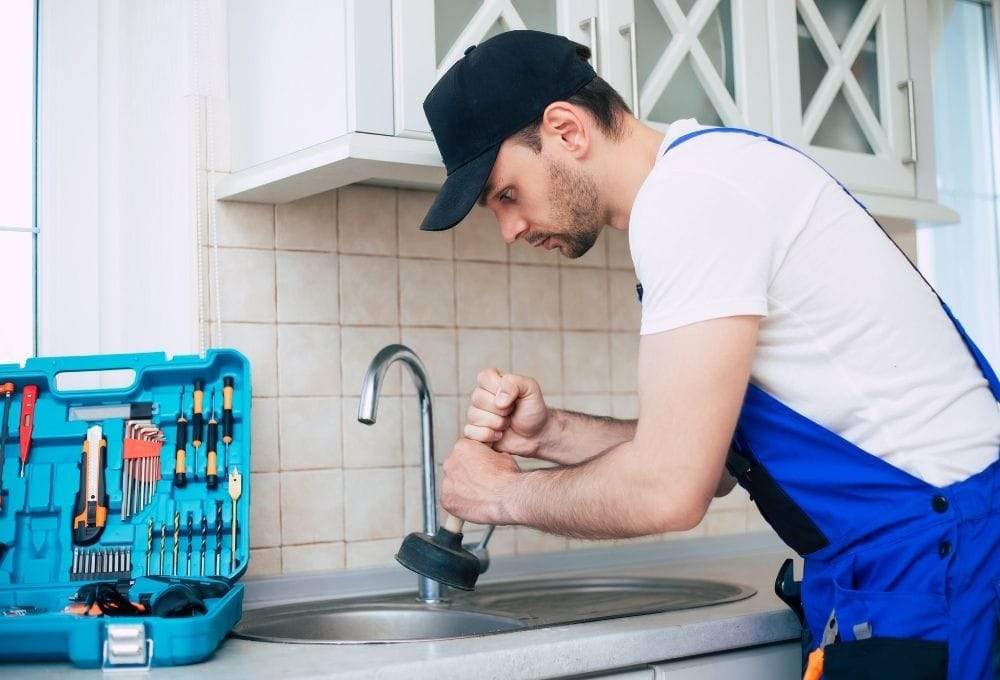

Table of Contents:
Sydney Water reports that it clears around 20,000 blocked drains every year. The same report states that the cost to clear these blocked drains every year is AU$ 27 million. We can agree that this is quite a sum to be spent on maintenance, some of which comes after homeowners and businesses have suffered plumbing damages due to blocked drains.
The floods you see reported in the news? Clogged drains are to blame. When wastewater cannot move freely in drainage and sewer systems, the result is property damage and health hazards. So, when you notice your wastewater isn’t flowing well enough, act quickly. Blocked drain plumbers in Sydney offer 24/7 service. One can be at your door at any time to clear the clog and restore normal flow.
Warning Signs of a Blocked Drain
Sydney Water’s report also states that most of the clogged drains it handles are the result of flushing household waste down toilets or pouring it into sinks. As the rubbish in the wastewater accumulates in the pipes, clogged pipes are the result. And unless you’re really paying attention, clogged pipes will catch you unawares. This is why you need to know the early signs of a blockage.
Early signs of a blockage can save you big trouble. Most people only recognise that their drains are blocked when sinks stop draining or their toilets don’t flush fully. Sometimes, they ignore it until their living or business areas start to stink. But before things get to this stage, sinks drain slowly, and toilets flush slowly, too. Floor drains also drain slowly, and sometimes they make gurgling sounds as the blockage obstructs the flow of the wastewater.
These are clear warning signs of a clog building up in drainage pipes. Other early warning signs of a blocked drain include:
- Water backing up into other fixtures: Rising water in your toilet, sink or elsewhere after running the washing machine or another water outlet.
- Fluctuating toilet bowl water levels: Intermittent rising and falling of the water in the toilet bowl
- Dirt and grime around drains: Food waste, clothes dirt, etc, gathered around drain openings
- Watermarks on walls or damp patches on floors
- Increased insect, rodent and other pest levels in the home
These signs shouldn’t be ignored. You should have a plumber Sydney on speed dial for incidents like this, whom you can call immediately.
Common Causes of Blocked Drains
You’ve learned about the warning signs of a blocked drain. You can also surmise from that learning that flushing wastewater containing debris like organic waste is a common cause of blocked drains. It is the biggest cause, in fact.
You’ve also learned that toilet drains get clogged when people attempt to flush other stuff down the toilet. Sanitary towels, wet wipes, hair, dental floss and the like are not flushable. If in use in a toilet, use the bin to dispose of these items. Businesses usually suffer as a result of people trying to flush unflushables, leading to reports like the one referenced from Sydney Water.
Pay attention to your wastewater disposal. When doing dishes after meal preps at home, throw the grease, cooking fats and oils in the bin and not the sink with the kitchen wastewater. If they’re hot, you can allow them to cool before you bin them. You can even collect excess oil in a container for reuse. If you pour them down the sink with the wastewater, they’ll stick to the side of the drain pipes, cool, harden, and become blockages that clog your drain. Also, use a strainer in your sink to catch food scraps that should go into the bin.
Also, never flush anything but pee, poo and toilet paper down the toilet at home or at your business places. Everything else that people attempt to flush down toilets never breaks down in the water, causing blockages. It is these items that lead to a lot of the health and environmental nightmares that cities suffer. The World Plumbing Council cites blocked drainage as a reason for viral outbreaks. This should scare you enough to ensure that you look out for the early warning signs.
One particular cause of blocked drains is tree roots. This is more common in older neighbourhoods. Roots, in their search for moisture and nutrients, will creep into tiny cracks in pipes. Then they take up space after absorbing as much moisture as they require. Drainage slows as a result, leading to blockages. So, if you live in an older neighbourhood, regularly inspect your piping and your drains for root growth. If you’re also into landscaping and gardening–very environmentally friendly activities–also make sure you regularly inspect your plants, especially if they grow close to water outlets or inlets.
Other causes of drains getting blocked are:
- Foreign objects: Kids dropping toys and other stuff in toilets, or adults dropping jewellery and keys in water outlets.
- Broken, collapsed or misaligned pipes: These create openings for debris to get stuck and block wastewater pathways.
Stormwater and/or heavy rain overload: Stormwater and heavy rain pick up debris lying in their path and carry it into drains, causing blockages.
Inspecting Your Drains for Blockages
You’ve learned the common causes of blocked drains. So, how do you inspect yours if you detect any early signs? A blocked drain plumber Sydney would use a camera.
That’s right–cleaning out your pipes is a careful endeavour. A professional plumber will insert a waterproof CCTV camera on a flexible cable into your drain or sewer line. With this, they see how much work they have on their hands.
Modern drain pipe cameras even come with pan-and-tilt functionality and built-in locators. These cameras can spot cracks, breaks and obstructions in drains and plumbers who have these kinds of cameras are more efficient.
Plumbers without these kinds of cameras usually resort to digging out pipes. CCTV cameras save plumbers and homeowners this stress and cost. You don’t have to watch them dig up large sections of pipes or totally overhaul your home or office plumbing. Plumbers also quickly learn which drain cleaning techniques would work best for the clog in question.
Blocked Drain Plumber Sydney Professional Drain Cleaning Techniques
As a homeowner, knowing how to do stuff around the house, especially basic plumbing maintenance, is important. Knowledge of basic plumbing techniques, like how to loosen a pipe with a wrench to wash it out, can save you some money. It can also be what saves your house from being flooded in the case of a plumbing accident, pending the arrival of a plumber.
This is also a friendly reminder to get a basic plumbing kit. A plumbing “starter kit” usually includes all or some of the following
- Cup Plunger
- Flange (Toilet) Plunger
- Adjustable (Crescent) Wrench
- Basin Wrench
- Slip-Joint Pliers
- Pipe Wrench
- Plumber’s (Teflon) Tape
- Flat-Head & Phillips Screwdrivers
- Hand-Crank Sink Auger (Drain Snake)
- Utility Knife
- Small Torch or Flashlight
- Bucket & Towels
- Rubber Gloves
- Silicone Sealant
Whatever these tools cannot handle requires the services of a blocked drain plumber.
Clogged drains are either minor, which your starter kit can handle, or major, in which case you need to call a professional. If the clog is a major one, any of the following techniques, according to professionals and the people of Angi (formerly Angie’s List), are typically used:
Motorised Augers
A motorised auger—sometimes called an “electric eel”—is a robust, flexible cable driven by a small motor and inserted into a drain or sewer line. There’s a cutting head at the tip of the cable which the motor powers. Once this tool is inserted in the clogged pipe, the cutting head’s high-speed rotation slices away at hair, grease, tree roots and other tough blockages. Once this is done, the plumber rinses the blocked drain.
Hydro Jetting
Hydro jetting, also called swerve jetting, involves blasting the pipe with a stream of high-pressure water. It unclogs a blocked drain, cleans out tree roots, and eliminates grease buildup in your pipes”. The plumber inserts the jetter nozzle in the clogged pipe and jets a stream of waters that scour the pipe’s walls to rid it of debris. This intense cleaning method even helps to prevent future clogs by scouring away residue from pipe walls. Hydro jetting breaks pipes easily, so only those who have been properly trained can use a hydro jet.
Chemical Treatments
Sometimes, drains clog with mineral deposits. Hard water from rains and storms, or water from burst aquifers that seep into pipes, carries lime deposits that get into pipes and harden into blockages. Sometimes, it could be semi-liquids like paint or other chemicals that get into pipes, harden and cause blockages. In cases like this, chemical treatments are best for dealing with the blockages. These treatments digest the makeup of the blockages, clearing the way for other methods like hydro jetting to finish the job.
Why You Should Have a Plumber on Speed Dial
We’ve established that blocked drains are nothing to overlook because of the health and environmental hazards they can cause. It only makes sense that every home or business owner has a starter kit to help with their minor plumbing issues, and a pro on speed dial in the case of major ones.
Here are more reasons why having access to 24/7 plumbing is necessary, especially if you live in Sydney.
Preventing Property Damage
Sometimes, plumbing issues happen overnight. Plumbing issues rarely happen in regular business hours. Property damage will happen in cases of an overnight burst, and only a professional plumber can mitigate it. If you find yourself having to deal with such an unfortunate situation, having a plumber on speed dial means you can mitigate the cost of full repairs to your plumbing and your property.
Protecting Health & Safety
An underrated facet of home care is regular plumbing checks. Sewage and wastewater carry germs and bacteria. When they also carry stuff that can clog pipes and drains, these bacteria can break down those things to cause mould and stink up the environment. Even if you have no plumbing issues, having access to a 24/7 plumber for these checks can help you maintain good hygiene levels at home.
Minimising Business Downtime
Some businesses rely on their drains functioning properly. Businesses that fall in this category are hospitality (restaurants, hotels) and manufacturing businesses. For such businesses, a clogged toilet, a broken hot-water line, or a blocked drain means downtime. Business owners in this industry need a 24/7 plumber they can call so that a one-hour job does not become two hours or more, leading to a loss in revenue for the day, week or month(s).
Prevent Blockages on Time
The best plumbing solution is to avoid blockages in the first place. Don’t flush unflushables down the toilet, don’t throw fat, oils and grease with wastewater down our kitchen sink, and try not to plant trees too close to where your drainage channels are situated.
Carry out regular cleaning and checks too. If your household is a busy one, or you run a business whose revenue can be halted by drainage problems, check and clean your drains often. Make an arrangement with a plumber Sydney to jet your drains often. It could be once a week, once a month, once in three months, once in six months or once a year. Proactive checks like these go a long way to help you fight off major plumbing bills.
If you have large trees near sewer lines, get a plumber with a CCTV camera to inspect the pipes around the trees once every few years. Lots of bills can be saved this way. If you have a basic plumbing kit at home, you can also carry out these checks on your drains. Make sure to regularly flush your drains with hot water mixed with a little baking soda or vinegar. This clears any stubborn grease in your drain pipes.
Do not try to use chemical drain cleaners unsupervised. They contain harsh acids that can harm you and your pipes. You’re probably not experienced enough to handle them, anyway, so leave chemical treatments to your plumber.
How to Choose the Right Plumber Sydney
Like with every professional, you need to tick a few boxes before choosing any plumber to work on your plumbing. The best recommendations come from family and friends, but you still need to carry out your own checks..
Follow the checklist below to choose the most suitable plumber for your home or business, especially if you live in the Sydney Metro Area.
Licences & Qualifications
Ask for their credentials and vet everything before giving them a chance. This way, you can be sure of their competence and understand why/how they price their services. Doing this also gives you the leg up with filing claims in case of professional misconduct. You will know which bodies to call if a botched job happens that causes property damage.
Ask Them For Proof of Experience
Some plumbing challenges require certain expertise. Giving a rookie plumber a job that requires a hydro jet is like giving a child a water hose to play with: water will get everywhere and ruin stuff. When choosing a plumber in Sydney, find out if they’ve tackled problems similar to yours and evaluate their work. Moreover, plumbers who have worked on similar problems can provide more insight into any underlying issues, which can save money for you in the future.
Reviewing Customer Reviews and Testimonials
This applies to everything, doesn’t it? You don’t buy even the smallest appliance for your home if you don’t read the reviews. You choose your kid’s piano teacher from the reviews of other parents. Do the same when choosing your next plumber in Sydney. Not only do these reviews and testimonials assure you of the plumber’s ability, but they also provide some insight into their personality and work ethic.
Ensure Their Availability for Emergency Services
24/7 plumbing is where it’s at. As established earlier, plumbing issues rarely happen in regular business hours, so when a pipe bursts unexpectedly or a drain backs up on a public holiday, your plumber has to be available. So, before you choose your next plumber, confirm that they offer round-the-clock services, including overnight services.
Their response time should also matter to you. Does your plumber take forever to get to your home or business, even if they’re the best at what they do? Are you willing to risk property damage for this? Your call.
Compare Service Prices and Service Guarantees
The same way you compare prices for any goods or services you wish to pay for is the same way you should compare the pricing of the plumbers around you when selecting your next plumber. Resolving blocked drainages shouldn’t deplete your finances. Find out every cost that your chosen plumber charges and scrutinise them. Compare with other plumbers of interest before making your choice.
Most importantly, look out for service guarantees. Do they offer check-up services? Do they offer freebies for some services as a reward for constant patronage? Cover all bases before making that call.
Who Pays for a Blockage?
In Sydney (and in all of New South Wales), it’s your responsibility as the property owner to clear the blockage. The water authority only steps in when the blockage is on the public side of the sewer. In simpler terms, private drains to your boundary are your responsibility; Sydney Water maintains the large sewers under roads and public space. This is backed by law.
Also, you must hire a qualified blocked drain plumber to clear your drains if you live in New South Wales. You cannot even remove a pipe or a trench on your property by yourself, even if you have the tools and the expertise to do it. This law ensures that you’re insulated from any damages that may happen while work is ongoing on your blocked drains. Also, it allows you to call the water corporation to fix any issues and get a refund from the state.
Conclusion
A blocked drain can range from a simple annoyance to an acute emergency. For Sydney homes and businesses, the key to success is intelligent prevention and rapid professional response. By keeping fats, oils, and non-flushable products out of your drains, you minimise day-to-day blockages. At the first sign of trouble, summon a professional plumber Sydney who offers 24/7 emergency service, so that they can identify and extract the clog with special equipment. Ongoing maintenance and professional drain clearing will save money and peace of mind.



