Find Trusted Emergency Plumbing Services for Sydney Blocked Drains
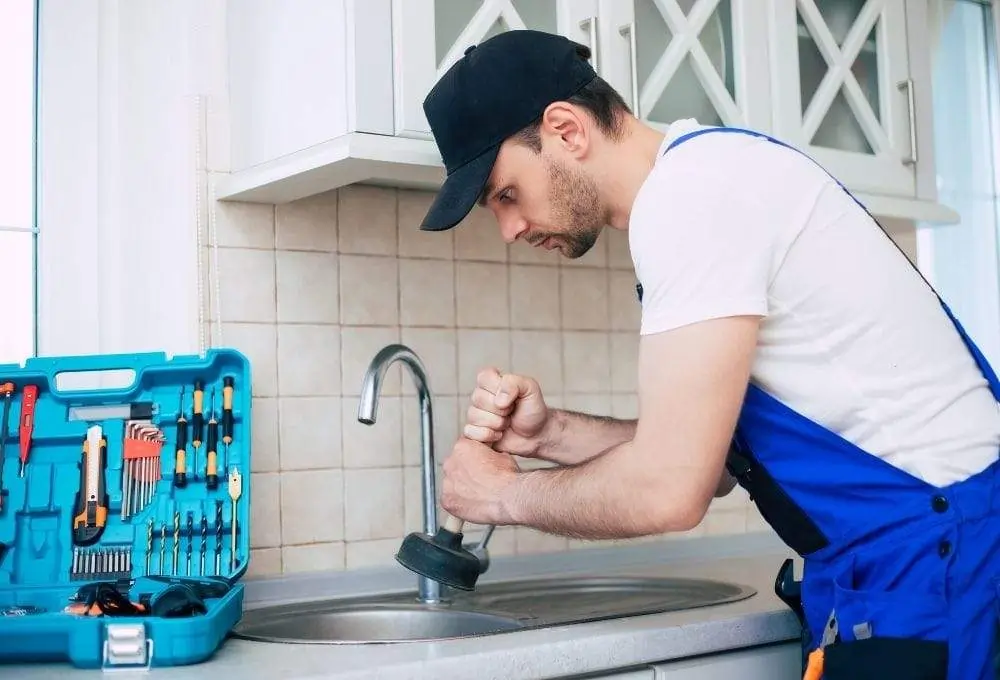

Table of Contents:
- Introduction
- Risks of Choosing the Wrong Emergency Plumber
- Common Signs of Blocked Drains
- Common Causes of Blockages
- DIY Tips to Handle Blocked Drains in Sydney and When to Call an Emergency Plumber
- How to Find a Trusted Emergency Plumber in Sydney
- Conclusion: Blocked Drains in Sydney? Call Plumber Sydney!
If you’ve ever dealt with blocked drains at home, you’ll understand how unprepared anyone can be for them. There are ways you can stop a drain from getting blocked (more of this within the guide), but they always manage to sneak up on you.
One minute, you’re taking a bath, and the water’s flowing out as it should. The next minute, you’re battling with drain unblocking because the water level on the bathroom floor is rising. When you search “Blocked Drains in Sydney”, it’s stories like these that populate the internet.
This guide will walk you through why you should treat drain blockages as an emergency, how to find a good plumber to fix them, and what you should do before they arrive.
Risks of Choosing the Wrong Emergency Plumber
Drain blockages are bad enough to deal with. Don’t make them worse by calling “just any plumber” to fix them. Because when sewage or wastewater is involved, you’re looking at financial distress and possible health distress if you don’t manage it properly. Trying to cut corners or using quick and cheap fixes will cost you in the long run, and possibly get you in trouble with the authorities.
You can get affordable emergency plumbing services for your blocked drains in Sydney, though. You just need to do your research well enough to find great deals. If you’re having a hard time finding a good, affordable emergency plumbing services, the following potential issues will definitely spur you on to look deeper:
- Incomplete fixes
The temptation to call the first plumber you find at the sign of an emergency can feel more real than the emergency itself. But when you realise that you could probably be dealing with the same problem a week or a month later, you will surely figure out a way to find a good emergency plumber.
- Hidden damage
You could be setting your plumbing system up for failure when you call just any plumber to come and clear your blocked sewer pipe. They could easily mess things up more by fitting things poorly or damaging something that goes unnoticed for long and eventually leads to disaster. No one wants such an expensive surprise.
- Unsafe practices
There’s a tendency to call an unlicensed or inexperienced plumber in a hurry because of your clogged drains. When these guys come around, they tend to just “wing it” and handle the fixes badly. They use unsafe practices or fail to wear or use the right gear. Learn all about the health risks that wastewater and sewage pose from Sydney Water here, so you can stay sharp.
- Unexpected bills and pressure selling
The circumstances surrounding emergencies leave you open to exploitation. If you call just any plumber to come fix your emergency, you’re setting yourself up for weird charges. You could be staring at an invoice containing unnecessary parts or high costs, when you could’ve taken a bit of time to find a good deal that’s also safe for your blocked drain repairs.
- Non-compliance with local rules
Some drain blockages are a symptom of a larger main sewer line problem. This means you need licensed tradespeople to work on them. These licensed tradespeople sometimes also need approvals and permits from the local council. If you hurry to get just any plumber, you’ll be risking poor fixes and the wrath of the law.
The easiest solution would be to have exceptional emergency plumbing services like the guys at Plumber Sydney on retainer, who you can call for both in- and after-hours fixes. You can read our guide on how to find an affordable plumber to get started.
In summary, you’re setting yourself up for financial woe and a possible run-in with the law if you do not take your time to find a plumber who understands blocked sewer drains. This is why the rest of this guide will focus on how to find a good plumber and what you should do before they arrive in the event of blocked drains.
Common Signs of Blocked Drains
It’s easy to ignore the signs of blocked drains in Sydney because, surprisingly, they’re a common headache. “It’ll pass,” many homeowners tend to say. Until it doesn’t, and there’s an emergency requiring a plumber’s services.
Sydney Water says that it spends roughly AU$27 million to clear about 20,000 clogged drains every year. This money could be used to improve the water distribution system, but it goes into clearing the trash that people dump into the sewer system by accident or on purpose. These numbers don’t account for the drains that local Sydney residents are forced to clear by themselves, by the way.
That’s why you have to do your best to make your life easier, because the agency is quite busy. It will save you a lot of mental stress if you can spot the signs of a blocked drain before it becomes troublesome.
What are those signs?
- Slow draining: When your sinks, bathtubs, shower drains and any water outlet take their sweet time to empty out.
- Gurgling or bubbling: When you try to flush water down the drain, or try to flush the toilet, and you hear weird noises.
- Backflow into other fixtures: When you try to flush water down a drain, and the water in your other outlets rises.
- Persistent foul odours: If your house stinks after flushing despite all the air fresheners you deploy and all the cleaning you do.
- Visible sewage or overflow: If you can still see pee or poo in the toilet even after flushing multiple times, or worse, if you can see patches of it in your yard or at the mouth of a drain.
- Outdoor pooling or blocked stormwater grates: If the mouth of your storm water drains has trash or anything blocking them, your in-house drains could be in danger. Worse, it can cause your yard to flood.
Every single issue described above is an emergency or a potential one. Your plunger or snake/auger from your plumbing starter kit can only do so much.
Common Causes of Blockages
You now know the signs. Now, it’s time for you to learn what leads to them.
The major culprits are:
- Food waste
If you have the habit of scooping out the bits and pieces left over on your plate into the sink drinks while doing dishes, you’ll be dealing with blocked drains soon. If you also have the habit of pouring your used cooking oil or grease down the sink, you’ll be dealing with blocked drains soon enough, too. Why? They harden into “fatbergs” and stick to the walls of your drain pipes. Then they accumulate and clog the pipe, leading to disaster.
- Hair and Soap Scum
This is one issue you cannot totally control. As you wash your hair or even your body, you tend to shed hair. This hair gets washed down the drain. Sometimes, they get washed down the drains with the soap or shampoo scum. Then they harden and clog your drain. You can stop most of them with a sink or shower strainer, but this has a 90 percent success rate at best.
- Non-Flushable Items
People who flush used sanitary products, wet wipes, paper and all sorts down the toilet are ignorantly inviting trouble. Sydney Water notes that these things cause up to 75% of the blocked sewers they clear every year. Anything outside of the 3 Ps (pee, poo and toilet paper) belongs in the bin.
- Tree Roots
Older neighbourhoods suffer from this more than others. Lots of trees and plants share a space with some drainage and sewer lines. And because trees can be “rude”, they’ll encroach on the space of these drains/sewers. It’s even worse for those living in older houses, because their weak drain/sewer lines will have a few cracks that the tree roots can grow into, totally blocking wastewater and sewage from flowing. Calling a licensed plumber to check these lines often will save you a future headache.
- Storm Debris
When there’s a storm or it rains heavier than what is considered normal, the water can wash litter, leaves and anything lying around into the stormwater drain channels. These eventually clog drains and cause wastewater to flow back into houses.
If you’re dealing with blocked drains in Sydney, these, according to all available resources, are the main causes. Now that you know the “why”, you can take all the necessary steps to make sure you keep your drains free for as long as you can.
Those steps are up next!
DIY Tips to Handle Blocked Drains in Sydney and When to Call an Emergency Plumber
Before we learn some DIY tips, here are some important and practical tips for you to stop your drains from getting clogged, or at least from getting clogged too often.
- Use a sink strainer in your bathroom to catch hair and soap scum. Remove it after every shower and clean it out.
- Pour used cooking oil into an aluminium foil, let it harden and toss it into the bin. Freeze the oil if you don’t have aluminium foil, then bin it. Pour food leftover bits directly into the bin.
- Have a bin in your bathroom for the non-flushable items. Hang a sign on your bathroom door to direct people to use the bin if you have to.
- Pour hot water down your drain after washing dishes. The hot water will melt down the oils and allow them to flush easily.
- Lint from older clothes sometimes flows out with the washing machine wastewater. Use a lint trap to catch them, and clean the trap regularly.
- Don’t allow leaves or any kind of litter in your yard and around the storm water drainage pipes close to your property.
- If you live in an older neighbourhood or one with a lot of trees, schedule a CCTV drain inspection biannually or annually to see if the trees have invaded the drain or sewer lines.
As you must have surmised, not all of these tips are 100 percent foolproof. You will still need the services of a blocked drains plumber in Sydney at some point. Before you make that call, though, try the following:
- Use your plunger: Every home should have one of these. If your drains look to be clogged or you’re experiencing toilet blocks, plunge them.
- Use a drain snake: If a plunger doesn’t work, try a snake. This tool can reach further down into the shower drain to clean out the pipes. You can rent them, or just buy one for your property.
- Clear out the pipes: This one is for clogged kitchen sink drain or bathroom sinks. Turn off the water, place a bucket under the pipes, unscrew them and let the debris fall into the bucket. Flush with hot water after you’re done to remove any hangers-on.
- Don’t use chemicals: Buying drain or pipe cleaners from stores is tricky business because you do not know which ones contain harmful chemicals. Instead, use hot water and/or a mixture of vinegar and baking soda. This should be enough, but if it isn’t, then you can use the store-bought cleaners. Follow the instructions on the containers clearly and flush the pipes with enough water immediately after.
After you do any of these things to help with your blocked drains and see no changes, don’t hesitate to call your emergency plumber.
There are also some problems that DIY cannot fix. Whenever you see them, call your plumber immediately. These are:
- If sewage patches show up at the mouth of your drains or pipes
- If several water outlets are blocked at the same time
- If water rises in other places after you try to flush wastewater down in another place
- Strong, persistent odours that don’t go away with cleaning.
- One or more drains continue to get clogged even after all your DIY attempts
- Seeing puddles or damp patches appear from nowhere
- Health or access concerns (e.g., if you have elderly or sick people at home and there’s a underground pipe damage in the access area).
We must stress the importance of learning how to DIY when it comes to plumbing issues. It is just as friendly for your self-esteem as it is for your pocket if you can change taps, unscrew and rescrew pipes, and use an auger/snake. But more importantly, find and befriend an emergency plumber for when plumbing issues step into the realm of the professionals.
How to Find a Trusted Emergency Plumber in Sydney
We have come to the gist of the matter. It took a while, but all the buildup was necessary. You need to understand how drains get blocked, the signs, what to do when they happen and which situations need an emergency plumber.
As we’ve emphasised in the buildup to this section, you cannot call the first plumber you find online or hear about from family, friends or neighbours. It’s an endeavour that must be backed by research, because you could be creating more problems for yourself if you don’t take your time.
To find a trusted emergency plumber for your Sydney blocked drains, here’s what you should do:
Step 1: Where to search
- Search engines/Maps
Enter the search strings “emergency plumber Sydney,” “24/7 blocked drains Sydney,” or “after-hours plumber near me.” Look up any profile that seems interesting. The reason we suggest using map apps is that they help you find the ones closer to you faster.
- Local recommendations
Even after searching online, ask neighbours and others around you. They might have come in contact with some of the names you bookmarked from your own online search.
- Community groups
If your neighbourhood or church, or local community club has an online forum, ask them there. Verify their claims, though. Very important.
- Council pages
Your local council’s website or online forums can be a great resource for tradespeople in your area. The City of Sydney, for example, has a Health and Building unit that’s available 24/7 to link you up with licensed plumbers who can take care of your emergencies.
Step 2: Verify their reputation
Usually, when the community vouches for a plumber or the council recommends one to you, it’s safe to carry on with them. But going the extra mile might give you complete peace of mind.
Here are the extra steps to take to be sure that the plumber is who they claim to be or who the people say they are:
- Read recent, verified reviews
Go online and read reviews on Google, Facebook, or independent review sites like HiPages. Specifically look for comments that speak to their work warranties, how they handle emergencies, how they respond to complaints, how they price their services and how neat their work is.
- Look up before/after photos or case notes
See if you can find visual evidence of past jobs they have completed. Find out whose plumbing system it is in the visual evidence, and reach out to them for an added layer of security.
- Find out their familiarity with the locality
They may be good, but do they know their way around the drains in your area? Plumbers who’ve served a suburb for years have local knowledge of where the old pipes are, where some tree roots intrusion extend to, and so on. This knowledge may be the reason why you don’t hire a plumber, even if they tick all the right boxes for you.
Step 3: Pricing transparency & quotes
The next step is to find out how they charge. You may have seen reviews that suggest that they price fair, but in today’s economy, yesterday’s price is typically not today’s price.
Ask them for a breakdown of their fees – call-out fees, after-hours fees, travel fees and so on. If they ask for payment upfront in cash, that’s a red flag. If their estimates aren’t clear enough for a dummy to read and understand, that’s also a red flag. If they also try to pressure you into paying for a service you don’t particularly need, that’s a bigger red flag.
Make sure to get all prices and quotes in an invoice, so that you can exactly know what it is you’re paying for. Even a text or email with rough costs gives you something to hold them to.
Step 4: Check credentials
Once you find one who’s worthy enough to work for you, the next step is to confirm if they have the right licences and certifications to actually engage in the trade. Don’t forget, you could be getting in trouble with the law if you allow an unlicensed plumber to work on your property!
Here’s what you should find out:
- Their trade licence/registration
- If they have public liability insurance
- If they’re members of any industry bodies
If they hesitate to provide any of these when asked, that’s a red flag. After they provide evidence of these things, verify them too. Two-factor authentication, basically.
Step 5: Check their tools & observe their techniques
Even though you’re not a professional, you should educate yourself on some plumbing techniques like fixing your clogged toilet and basic pipe repair. This puts you in control whenever they come around to work, such that you can spot any moves that you’re unsure about and either stop them or get clarification from them.
Find out if they have certain necessary tools for the job as well. For example, no plumber can accurately diagnose deeper drainage problems if they don’t have a CCTV camera for a drain inspection. No plumber who gets called out for a drain repair arrives without a hydro jet, either.
Conclusion: Blocked Drains in Sydney? Call Plumber Sydney!
In the end, dealing with blocked drains in Sydney is a task that everyone must undertake. How you respond is what’s important. Don’t waste any time. Take action early and keep yourself and your family safe.
If you reside in Sydney and its environs, Plumber Sydney tradespeople will provide the excellent service that you deserve. We are also willing to answer all your questions and help you find peace of mind with your drain clearing.



